Unstretched large formats, tarpaulins and others…
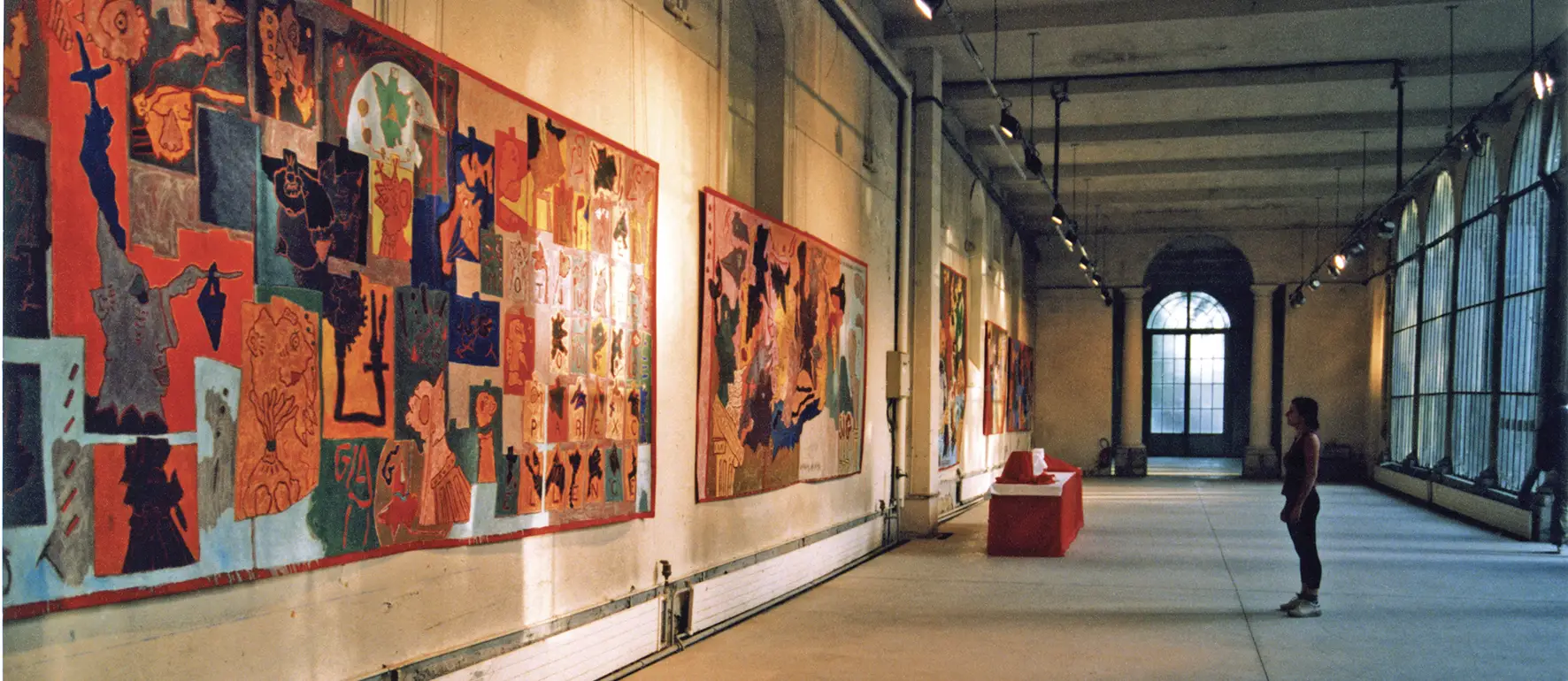
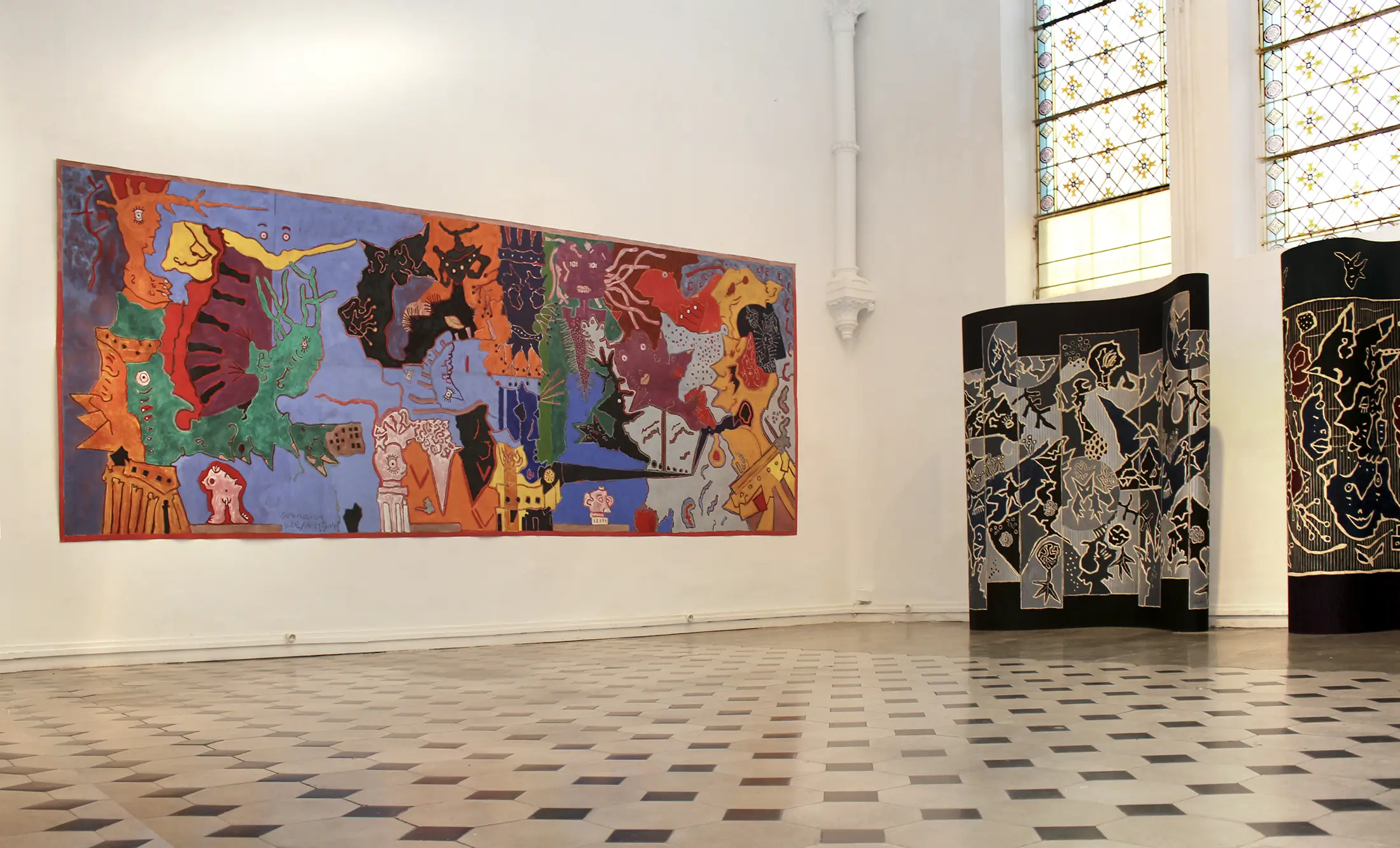
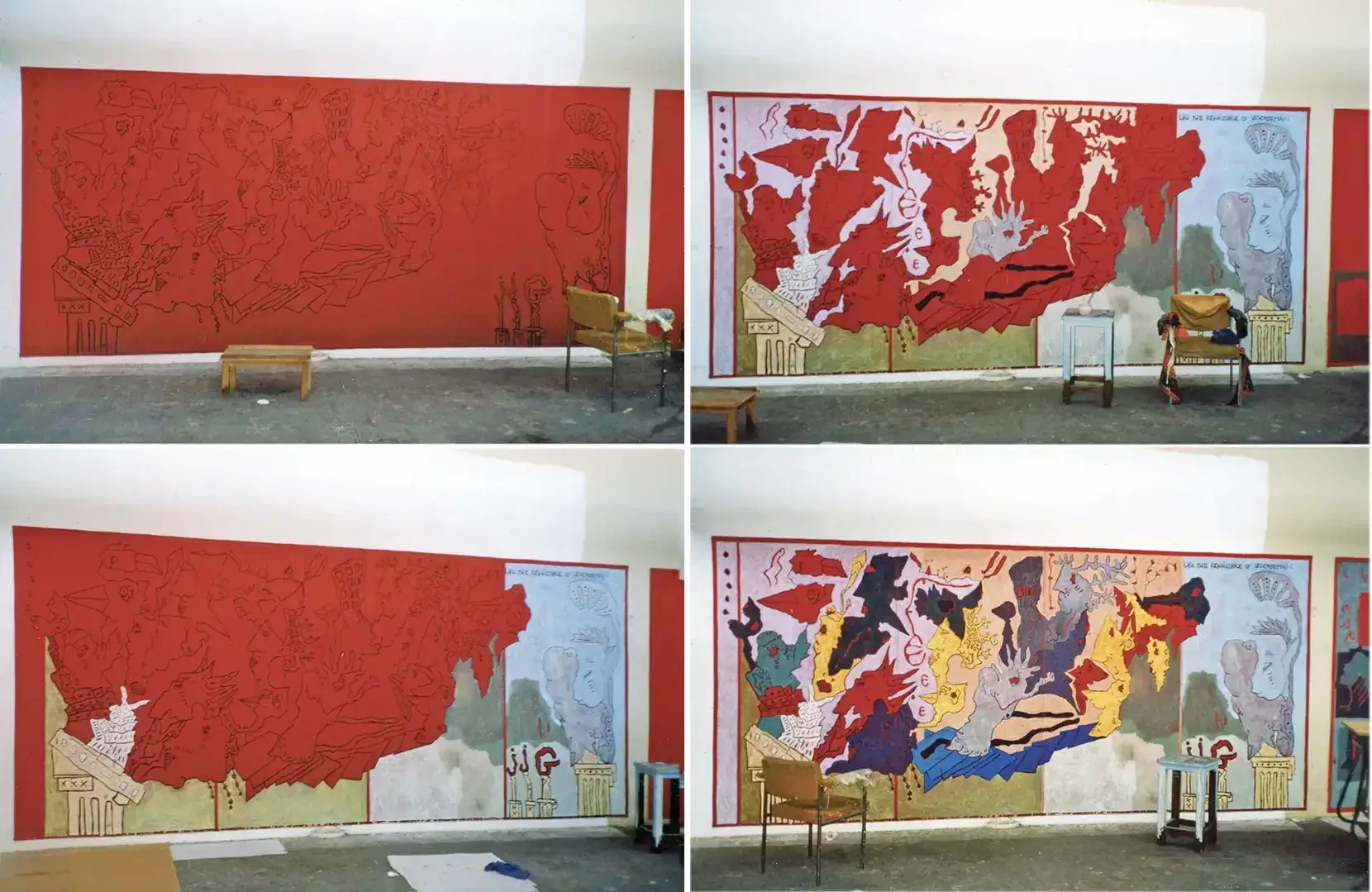
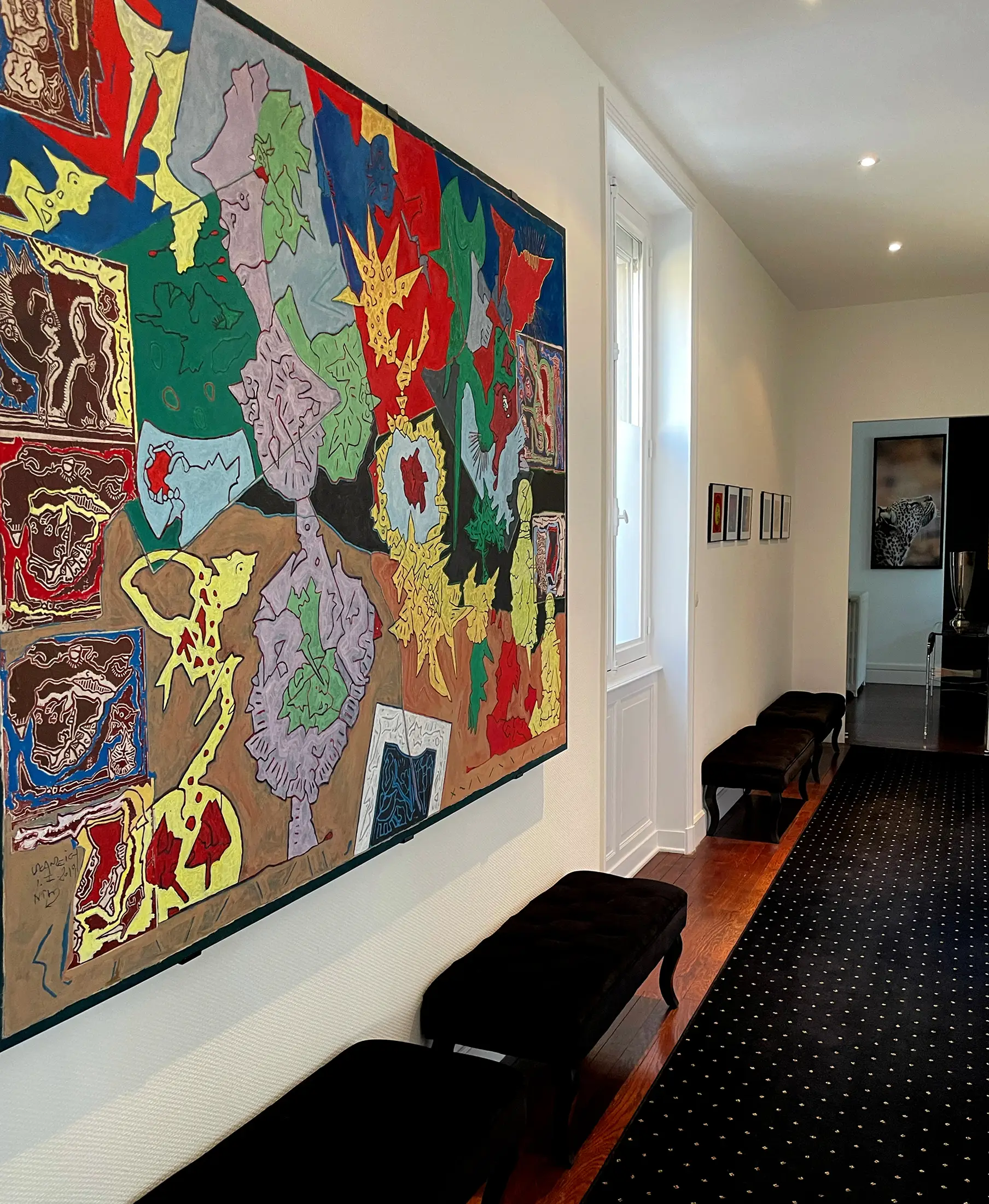
Painting on tarpaulin has a very precise date of birth: the year 2002, when our ground-floor neighbour on the cours Lafayette in Lyon, the bar-restaurant Au rendez-vous des amis, puts up a new awning and leaves the old one out on the pavement. Discovering the enormous heap of red tarpaulin outside our door, Scanreigh hesitates perhaps, but not for long. He salvages this awning, faded by sun and weather, and takes it to his studio in Villefranche-sur-Saône, where m2 are no problem at all. The tarpaulin will be cut into several formats, and a veritable conquest of pictorial space begins. Tarpaulin canvas, even worn, holds its shape and easily does without a stretcher … (given the dimensions, anyway…).
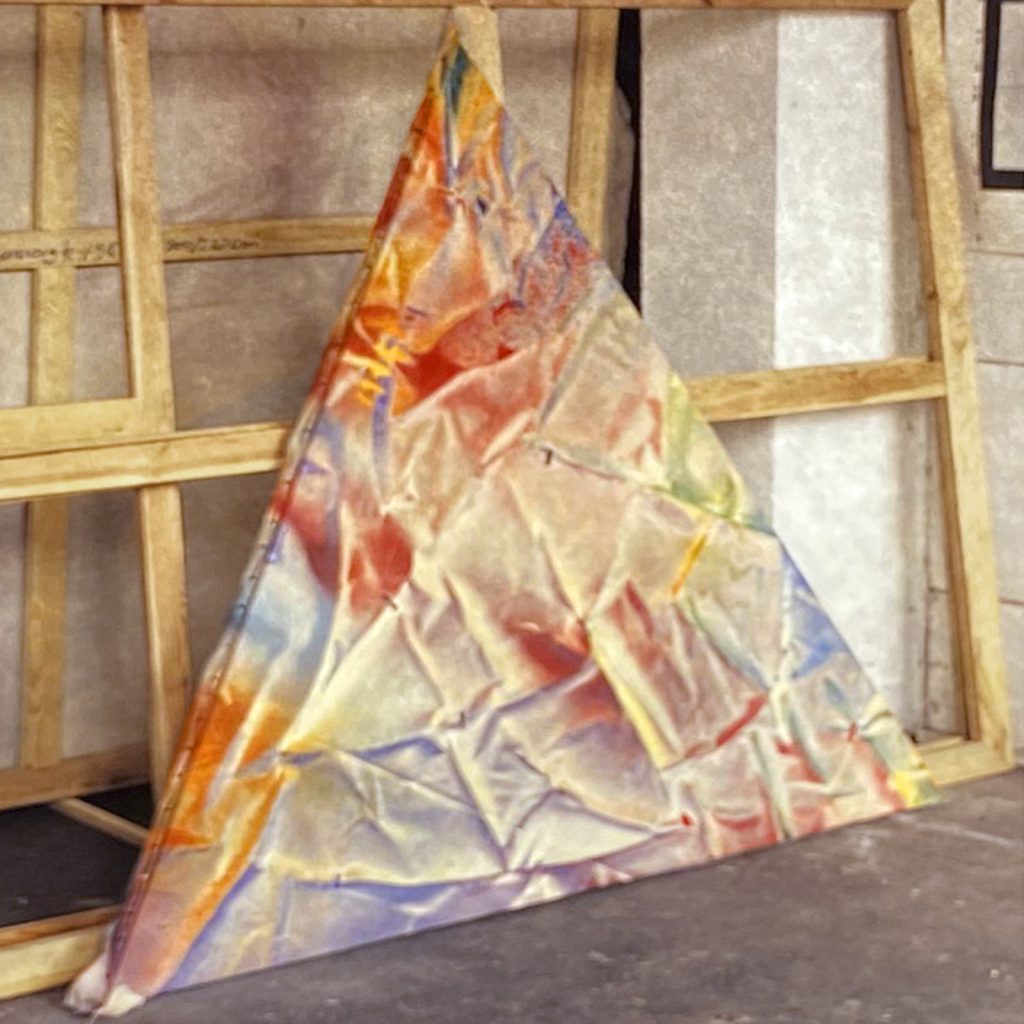
If the criterion for this painting is large size and the absence of a stretcher, then there are precursors in the history of the painter Scanreigh, and by no means minor ones! Quite simply because that is how it all began: Scanreigh’s beginnings are dye paintings on canvas, of very large dimensions and without stretchers. Later on there were more, sporadically and in every period!
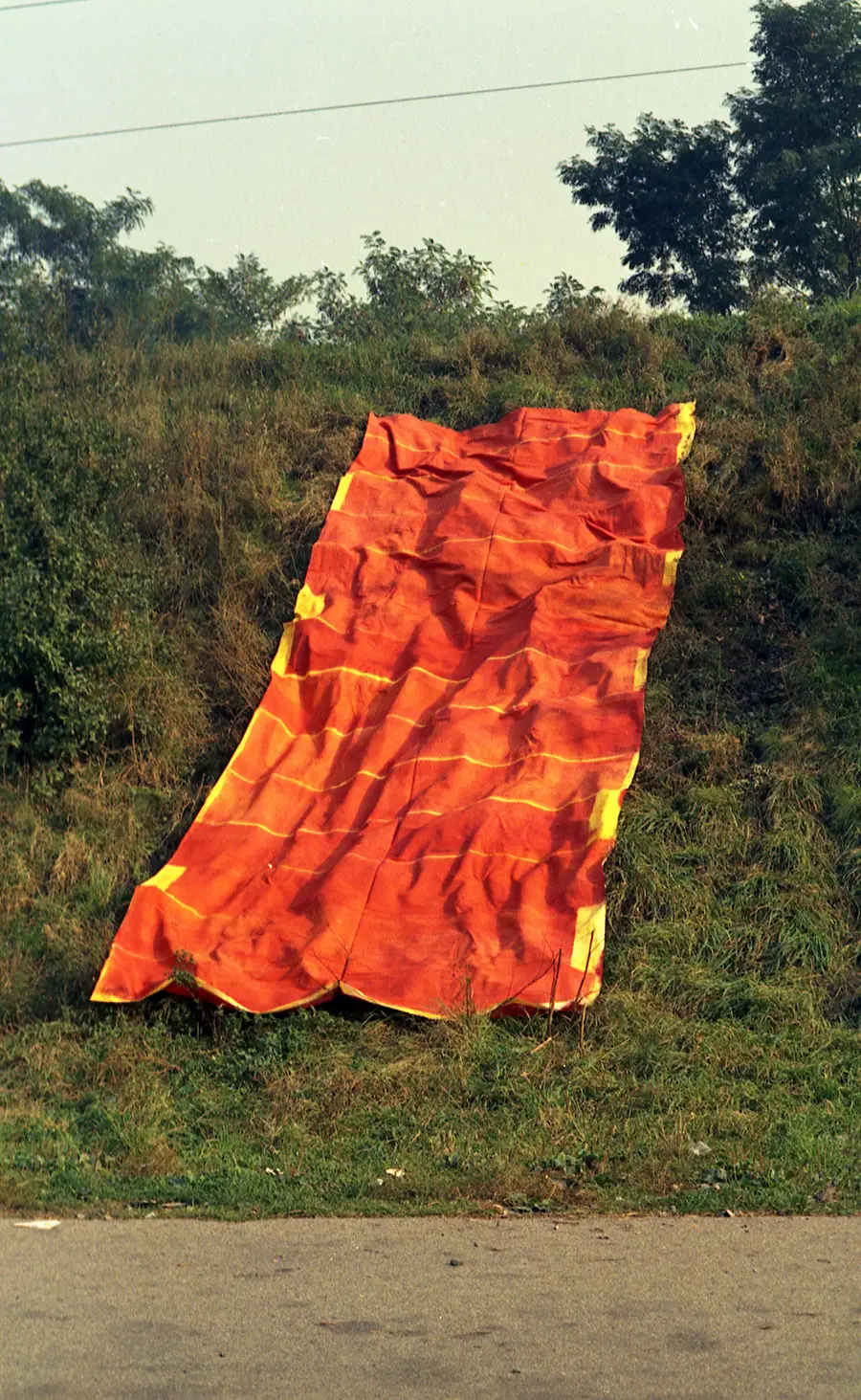
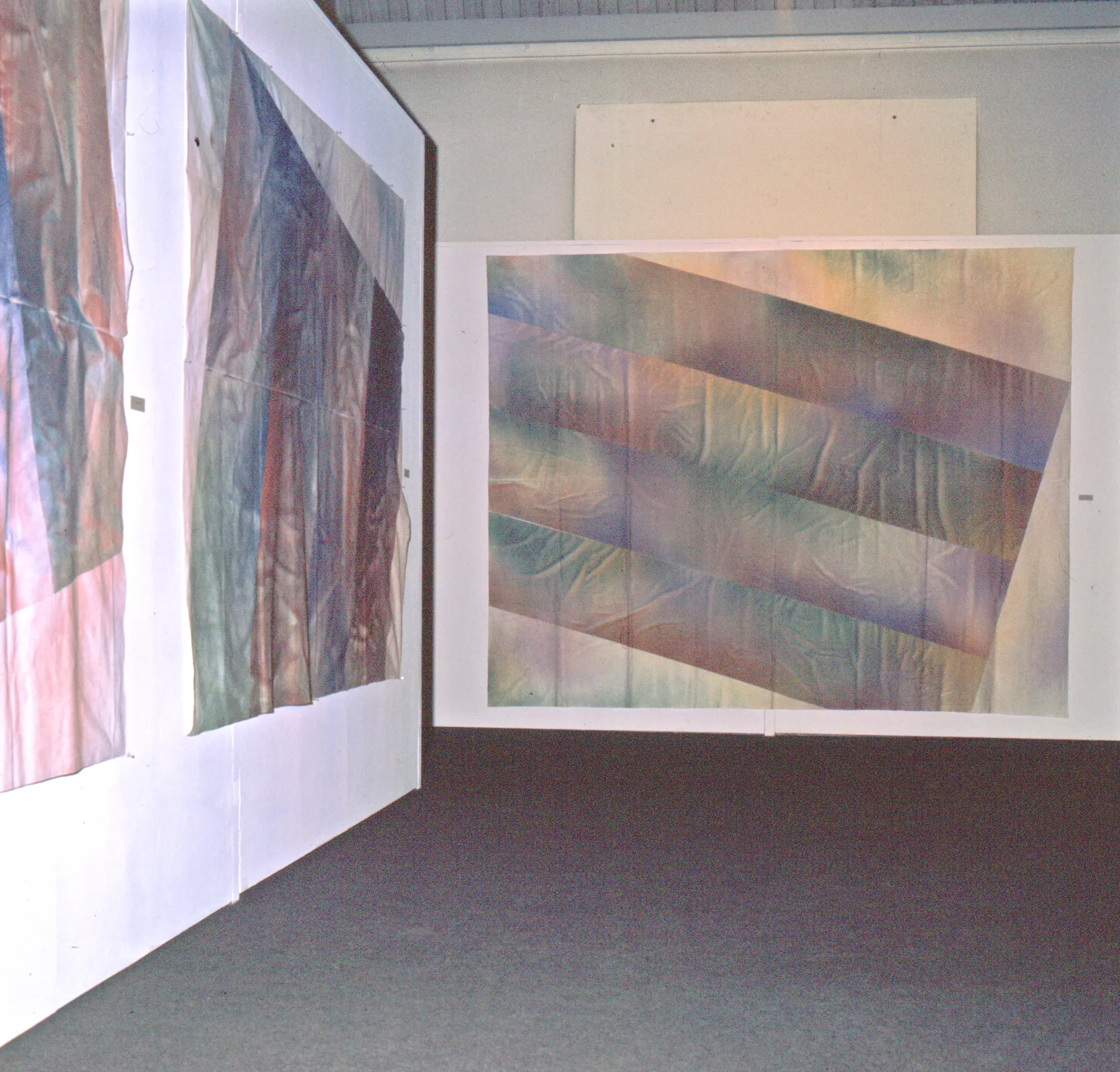
l'Ancienne Douane in Strasbourg in 1976
Tarpaulin canvas, used for the first time in 2002, has nonetheless become a sort of speciality, with its sewn seams between the widths of fabric, which make it possible to obtain large awning surfaces and which Scanreigh deliberately incorporates into this type of work.
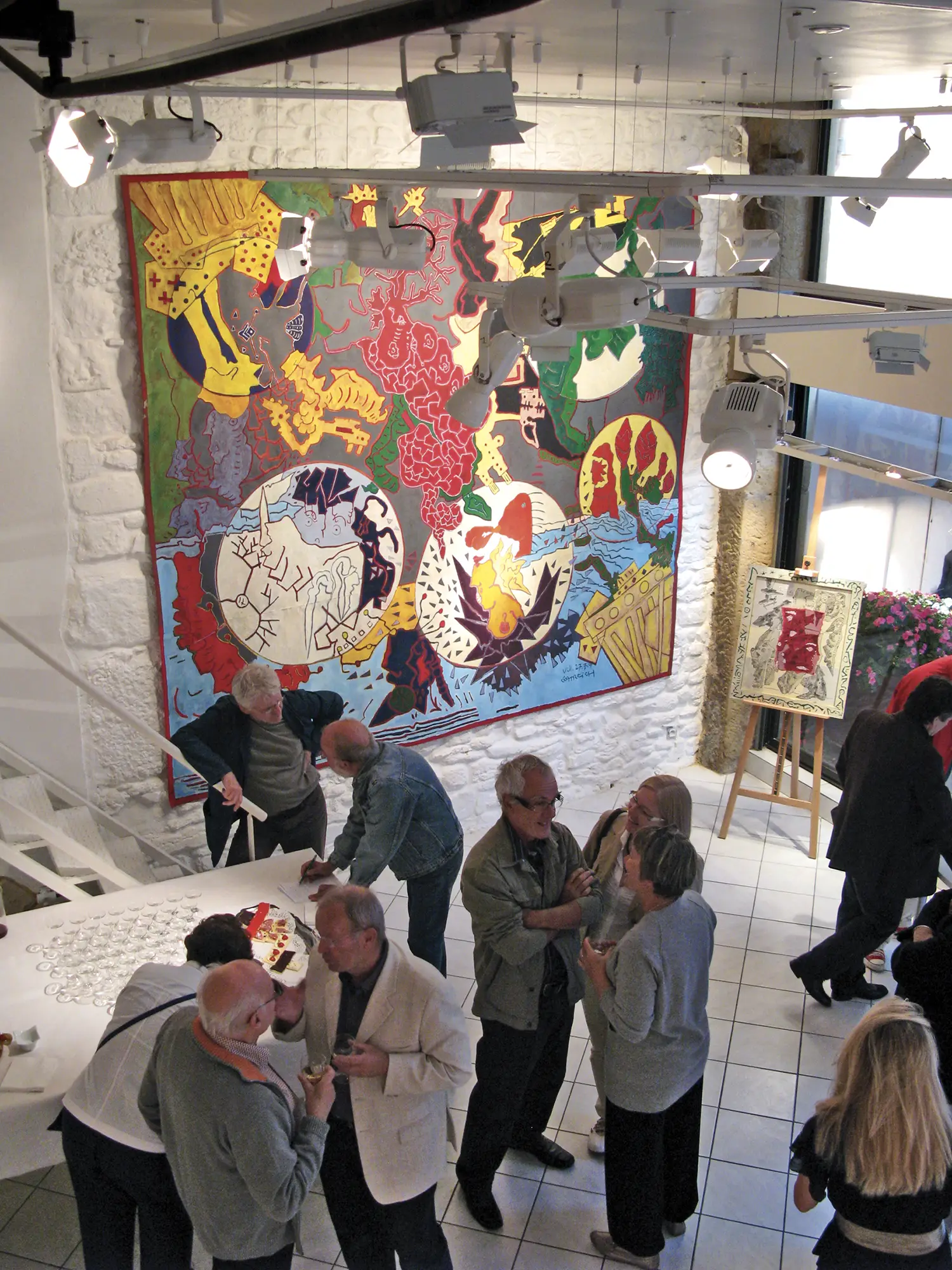
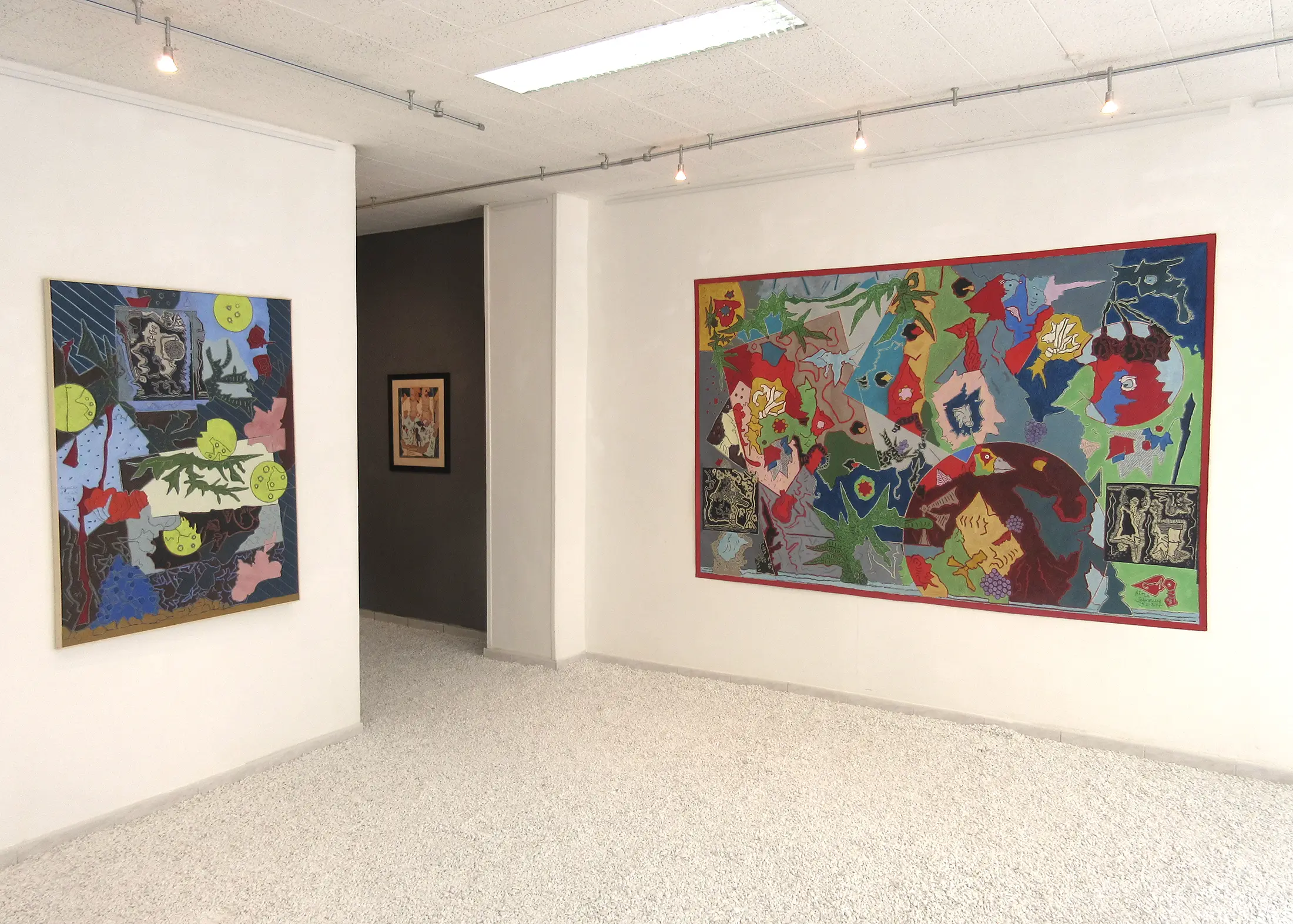
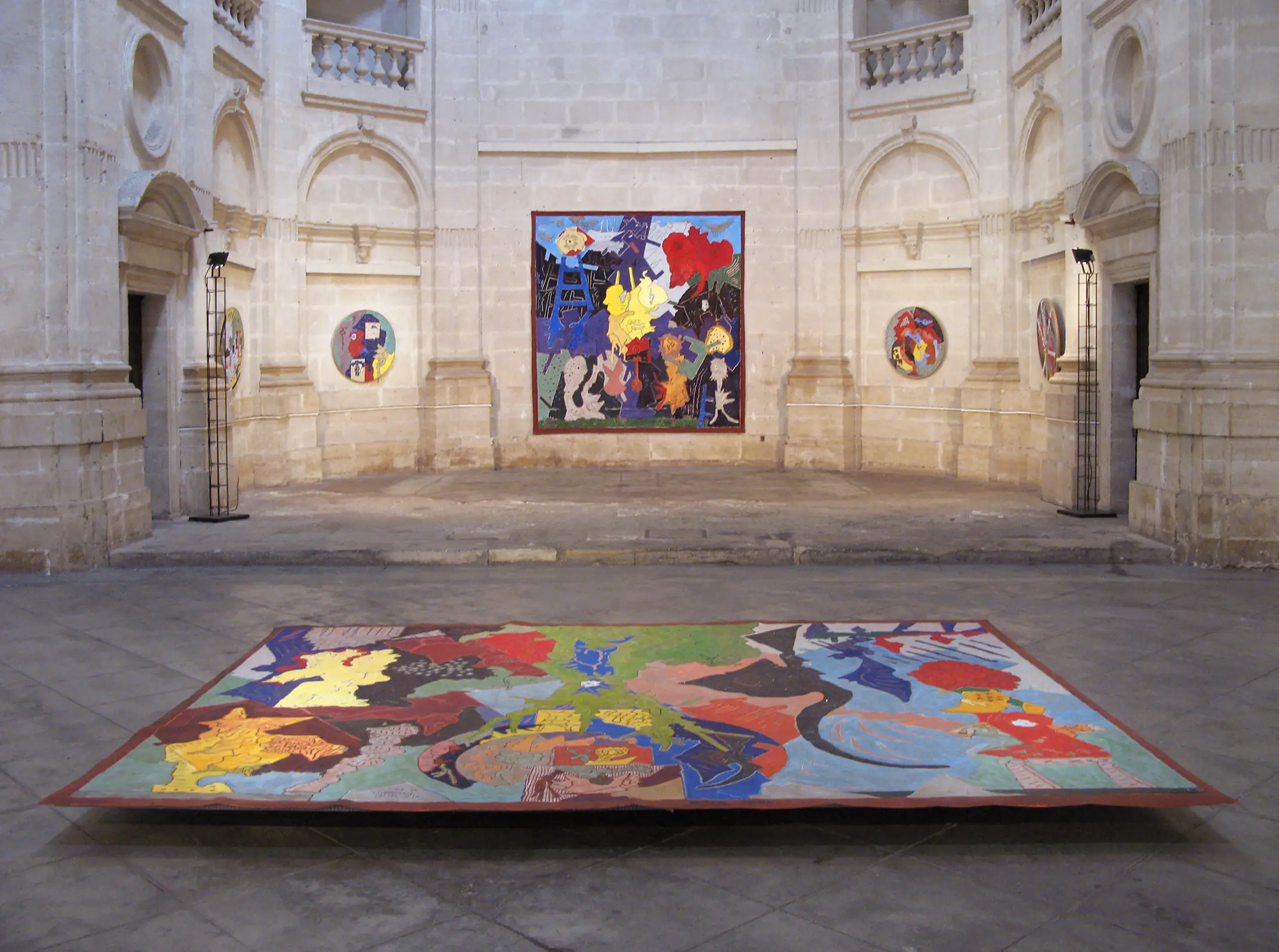
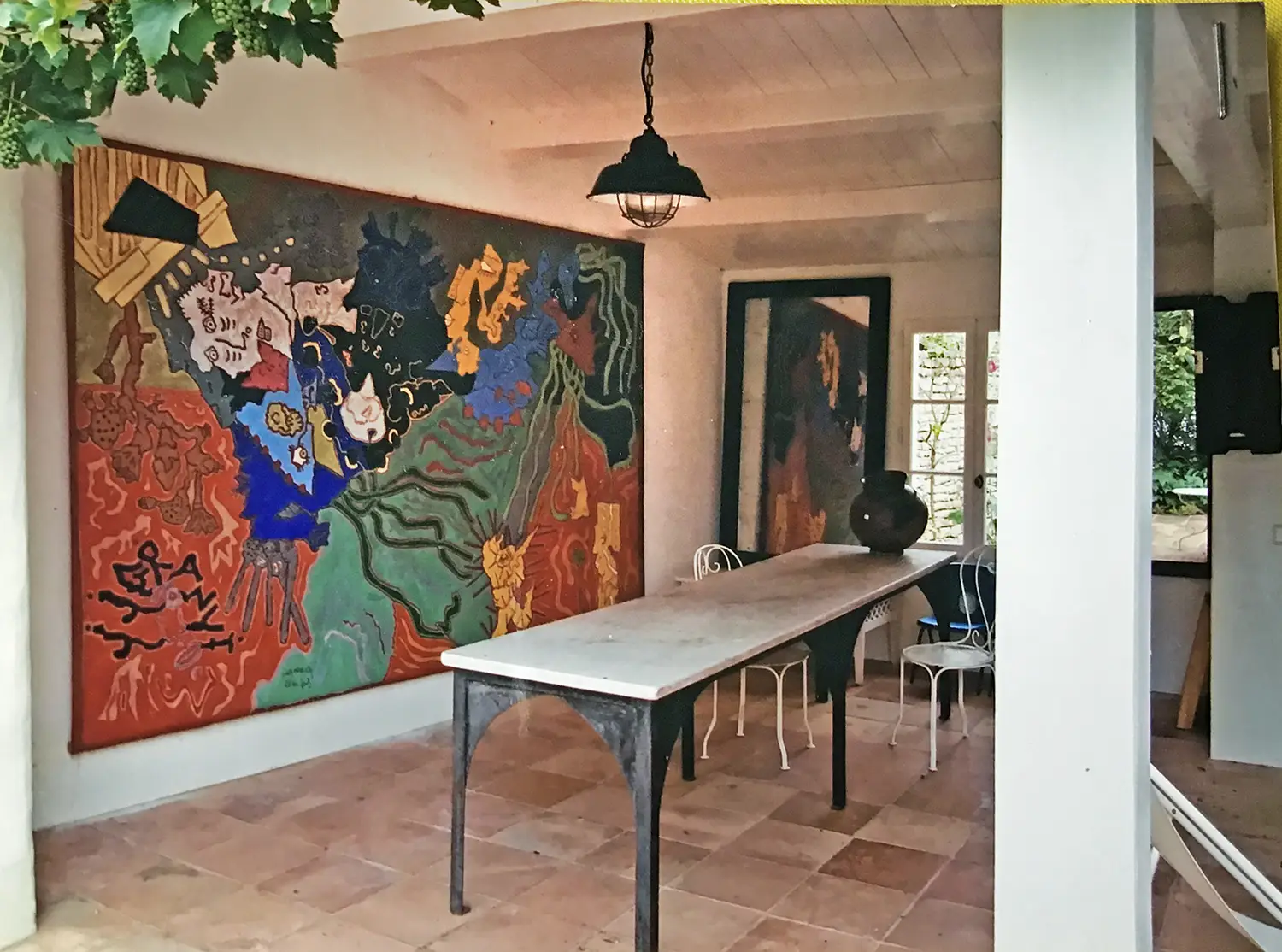
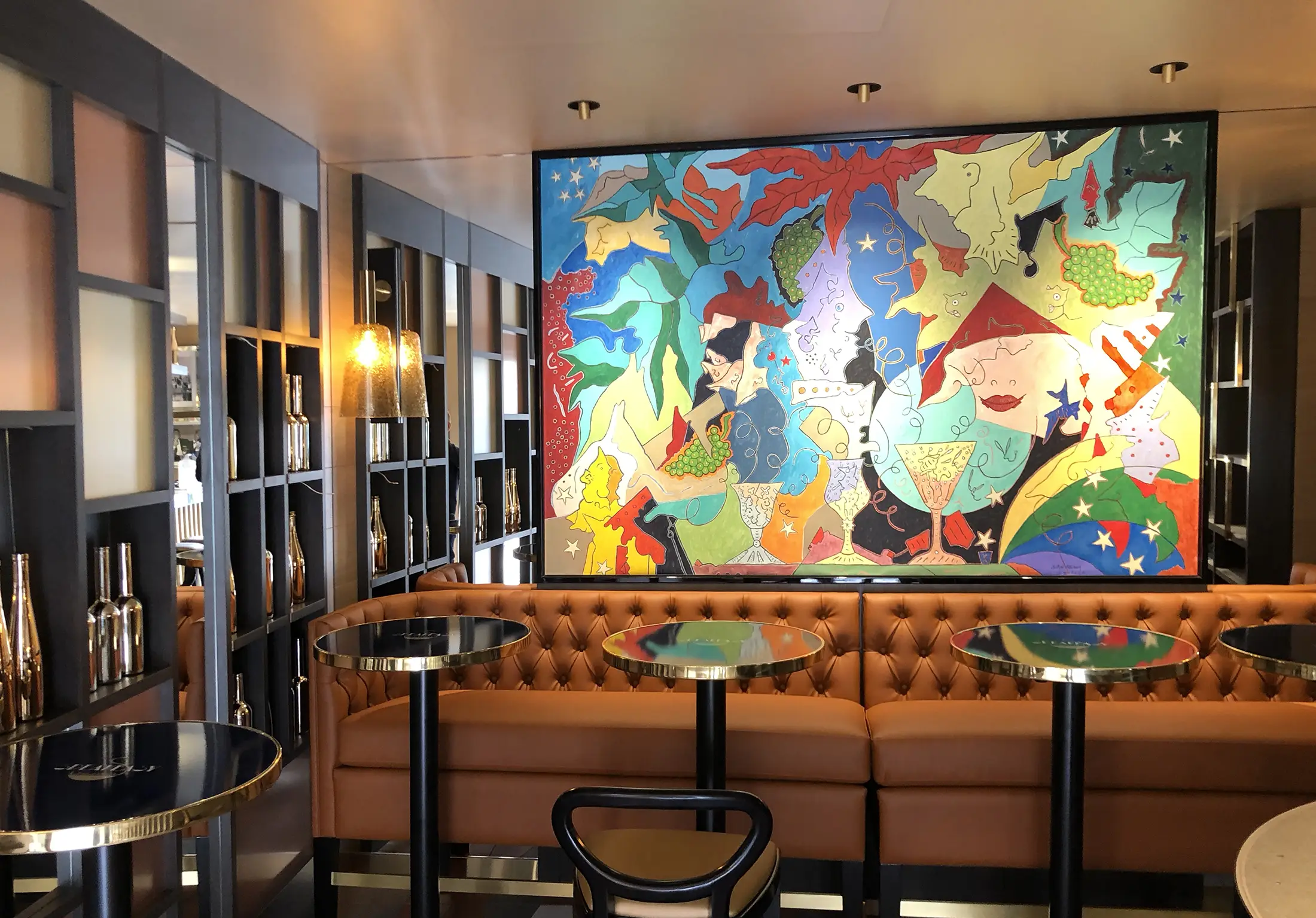
The paintings on tarpaulin were exhibited for the first time at the Orangerie du Parc de la Tête d'Or in Lyon in 2004 and afterwards in many other exhibitions, since they are quite obviously works for exhibition halls. But interior decorators and collectors like them too.
F.B.