Jean-Marc Scanreigh
———————————————————————
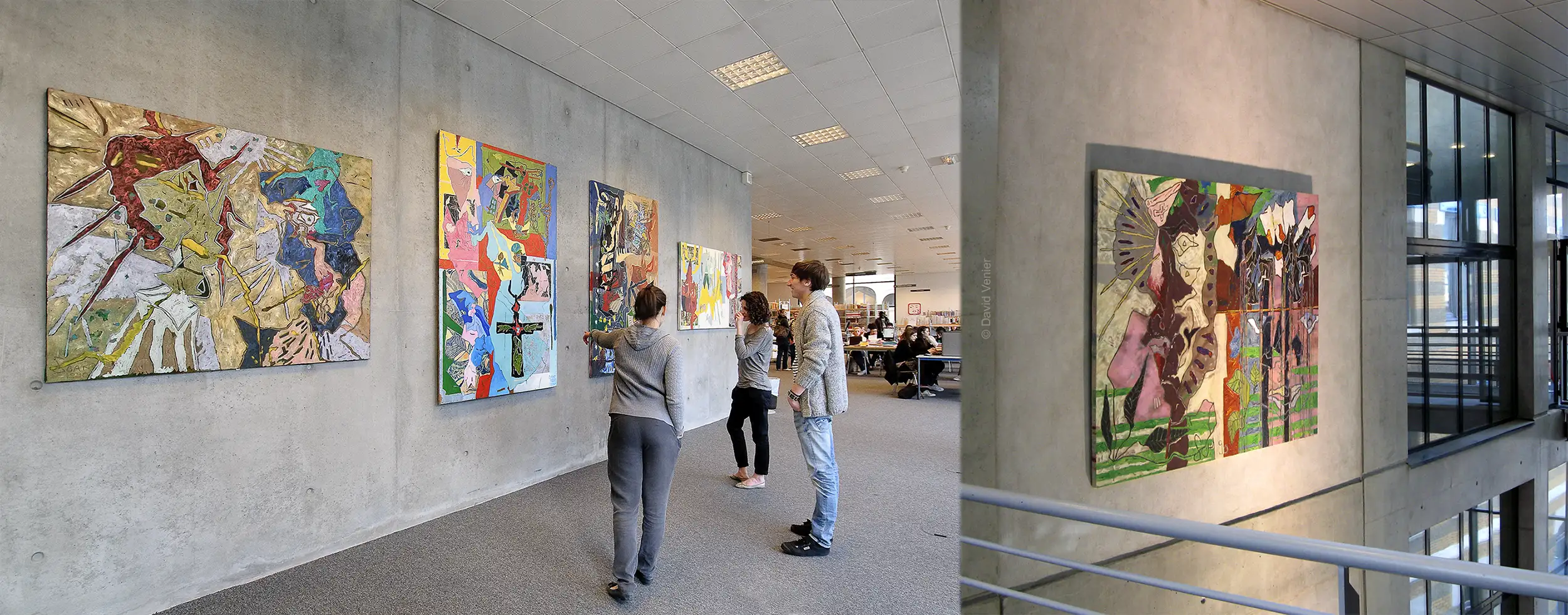
Rupture
& Rebounds
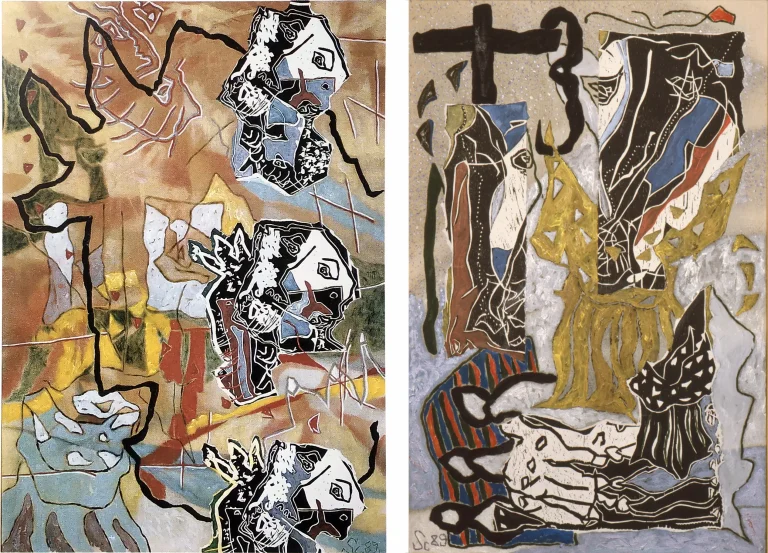
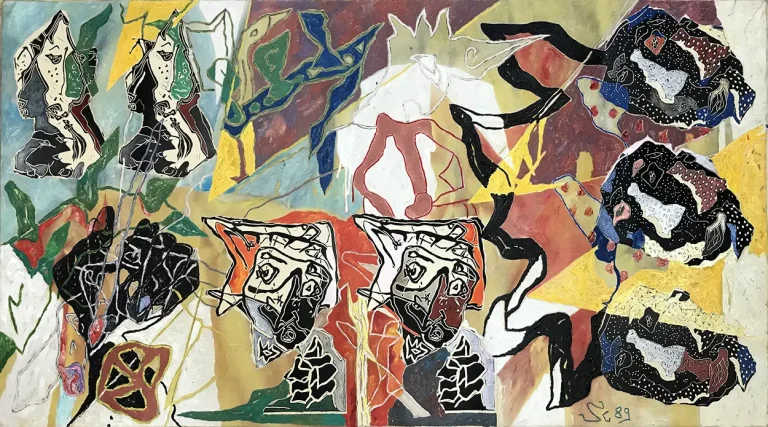
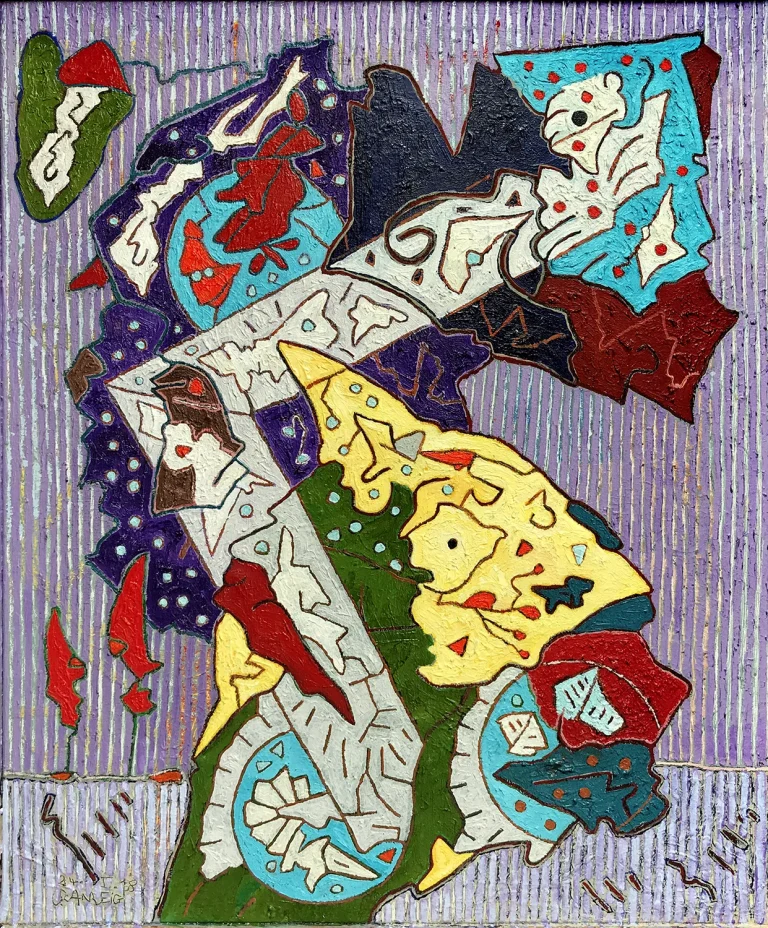
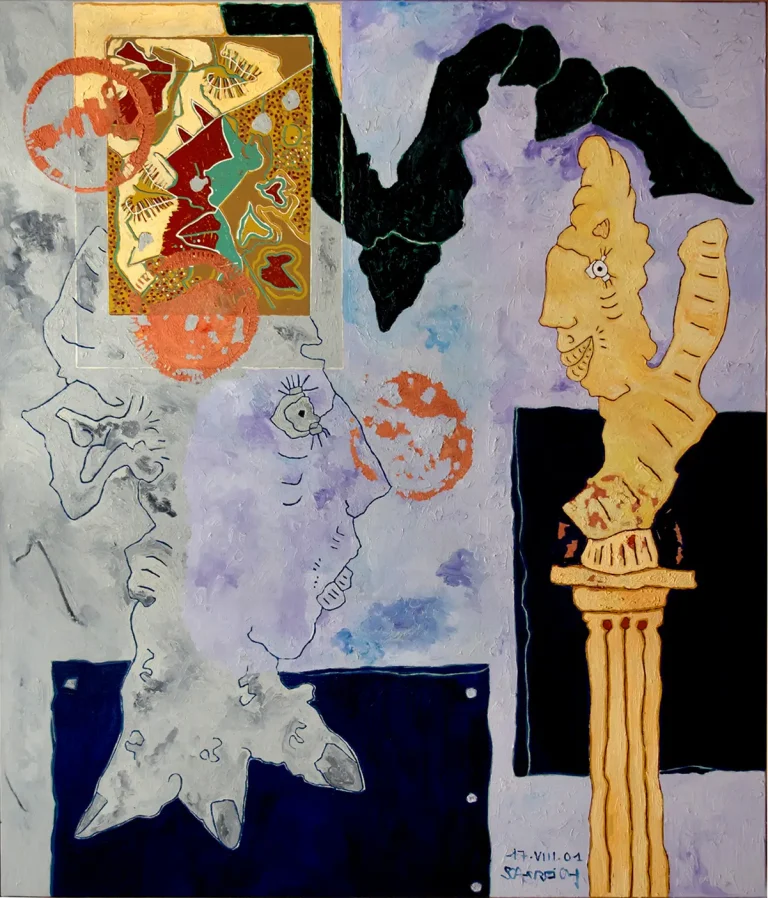
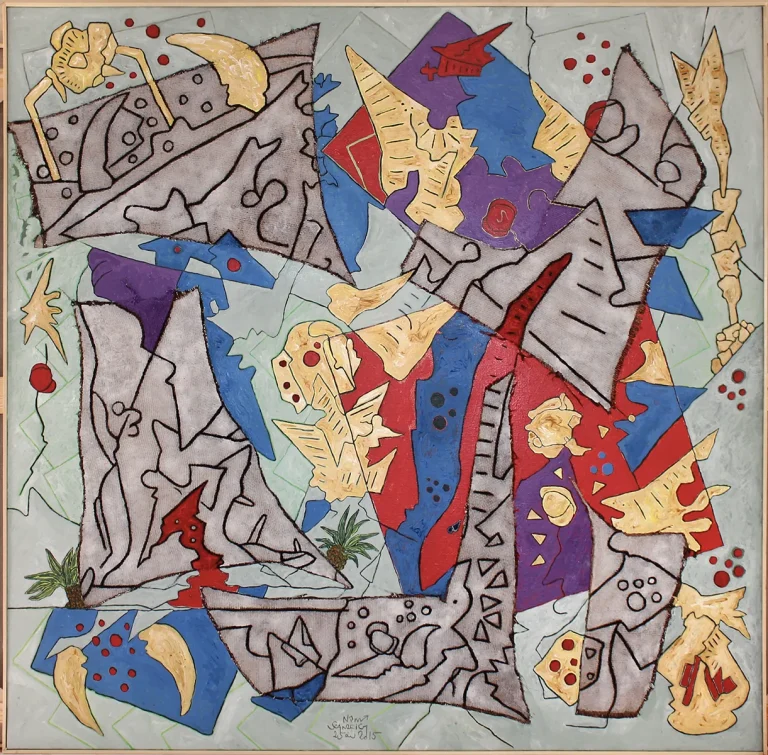
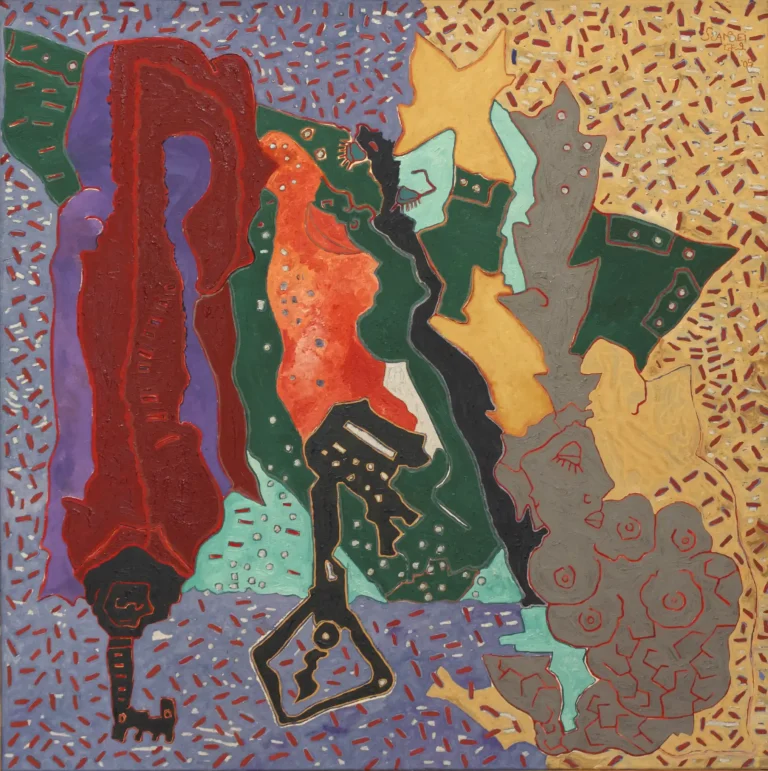
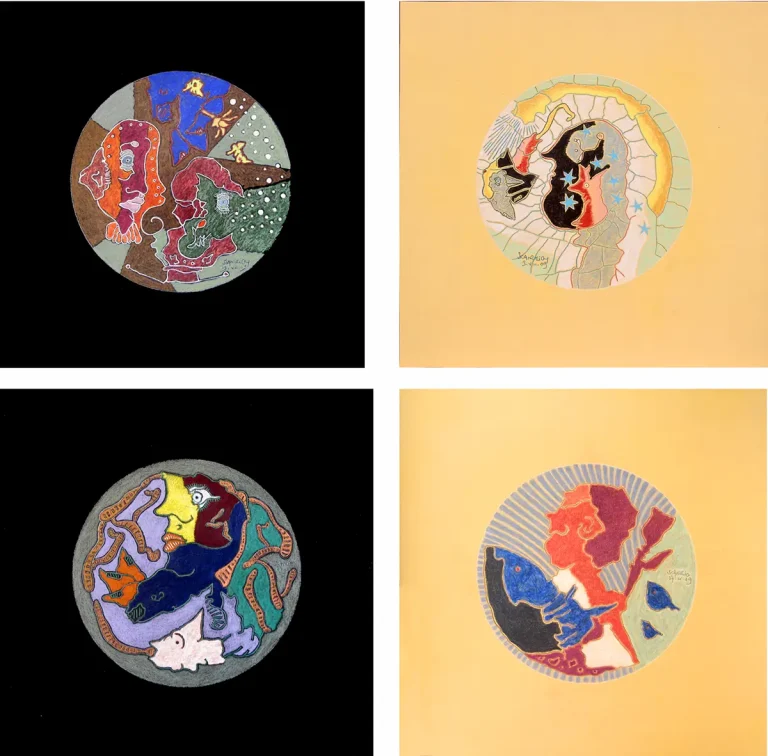
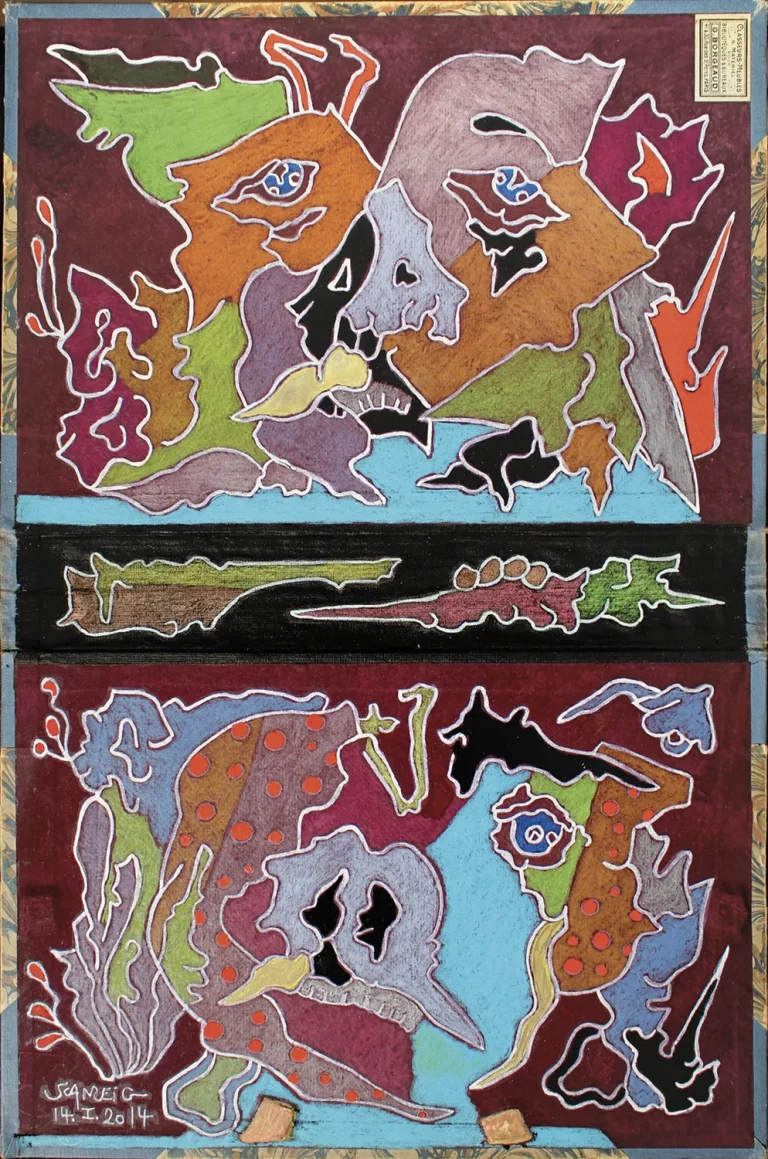
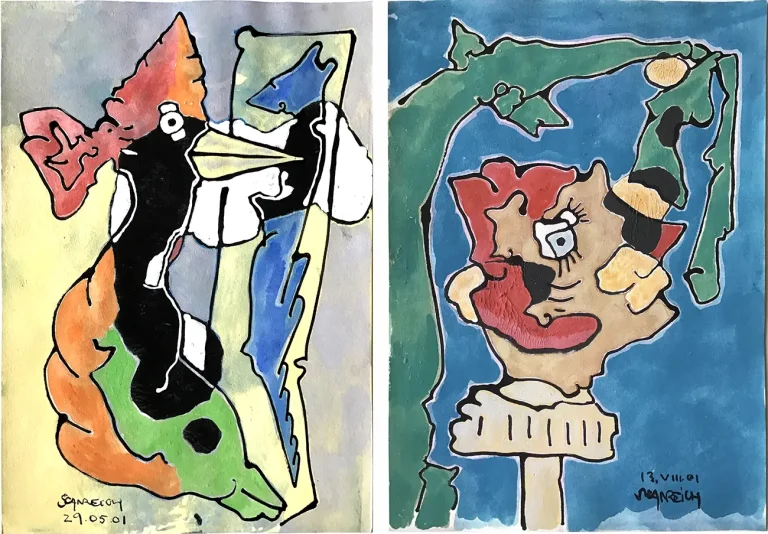
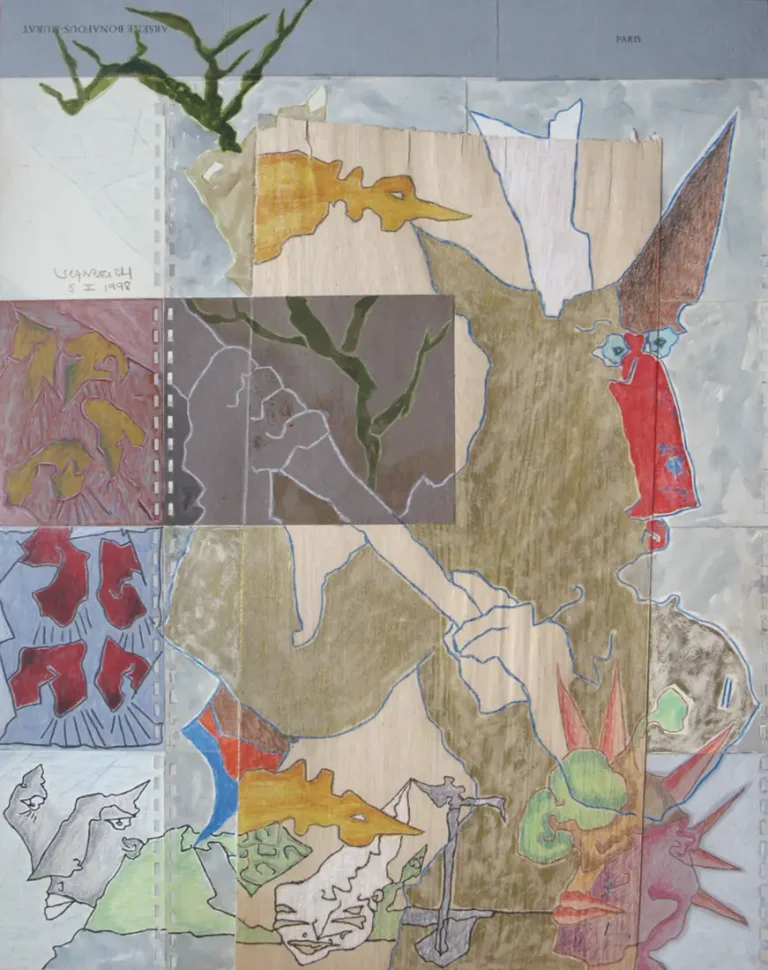
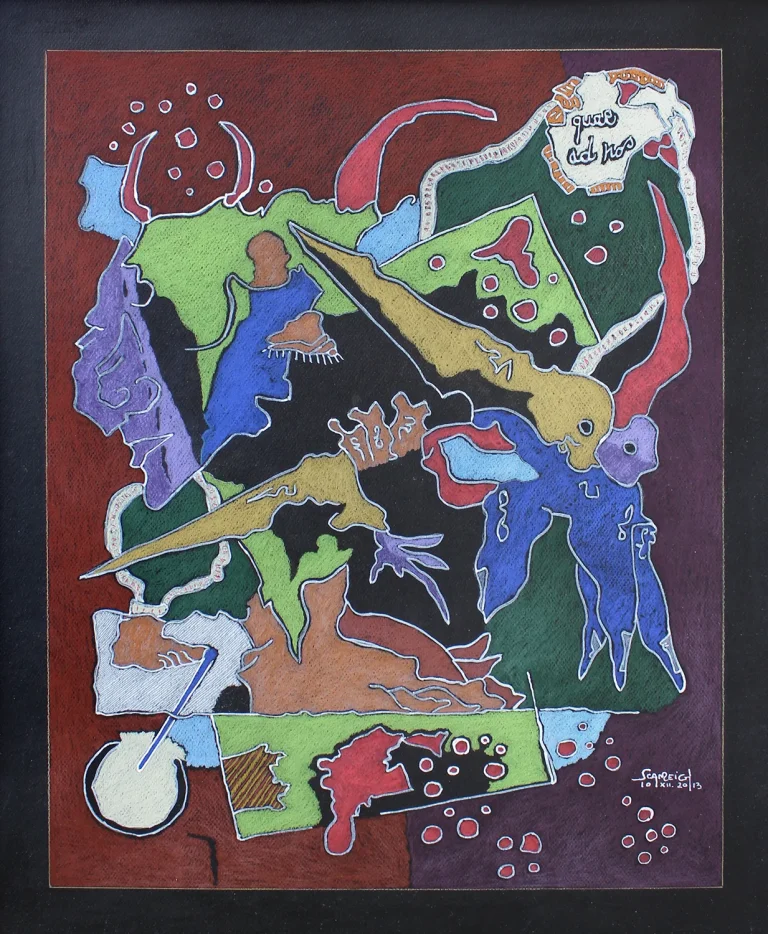
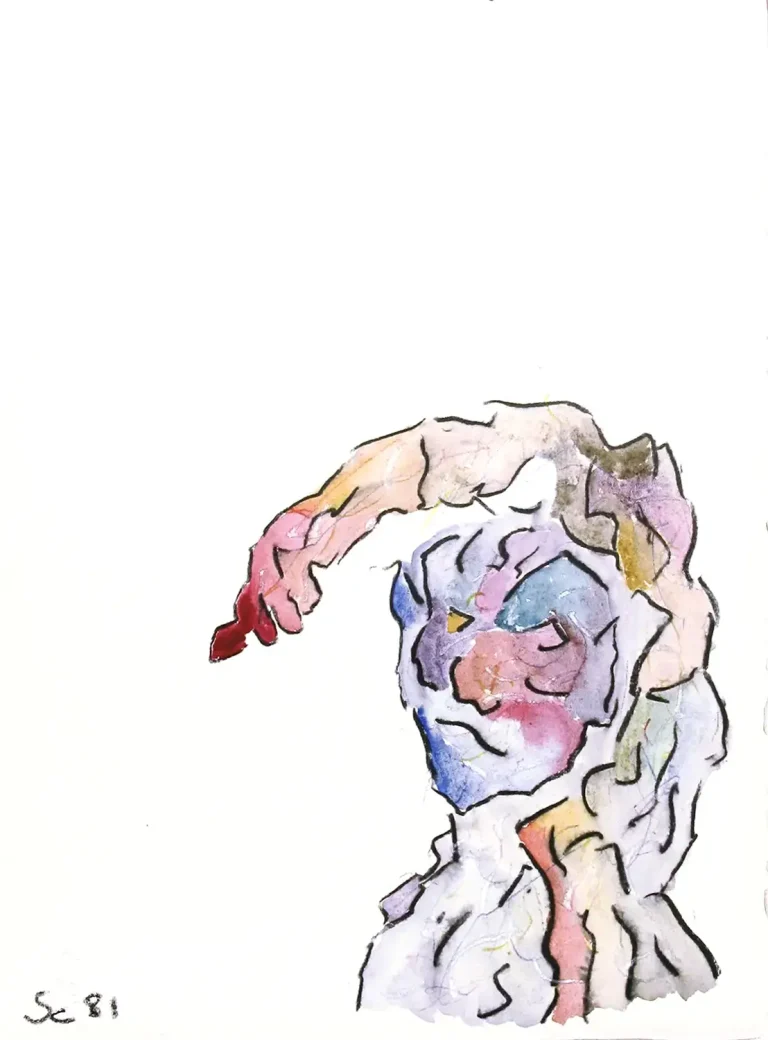
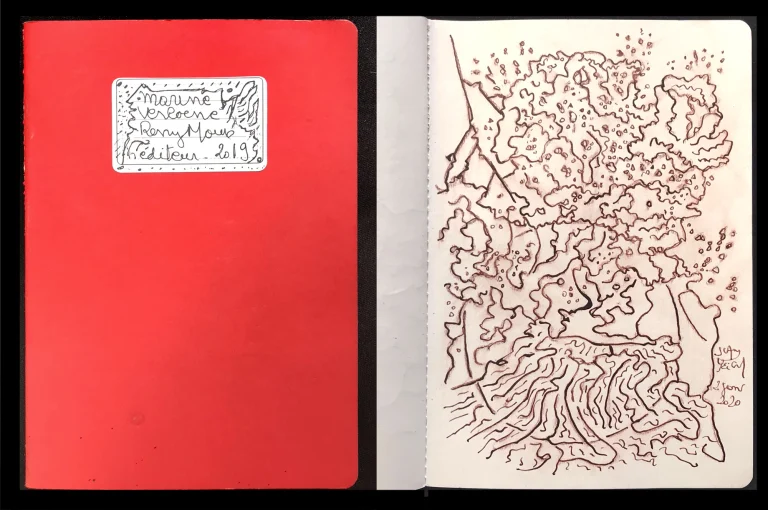
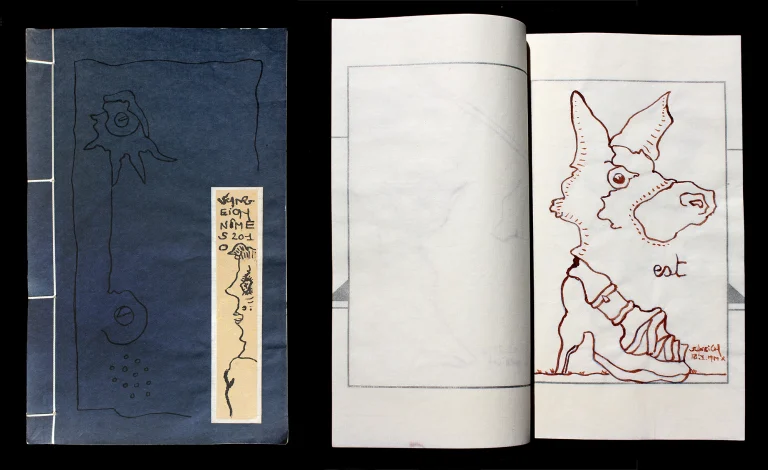
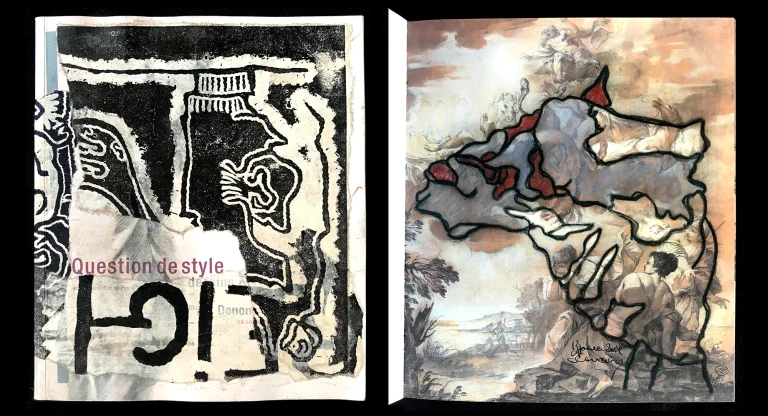
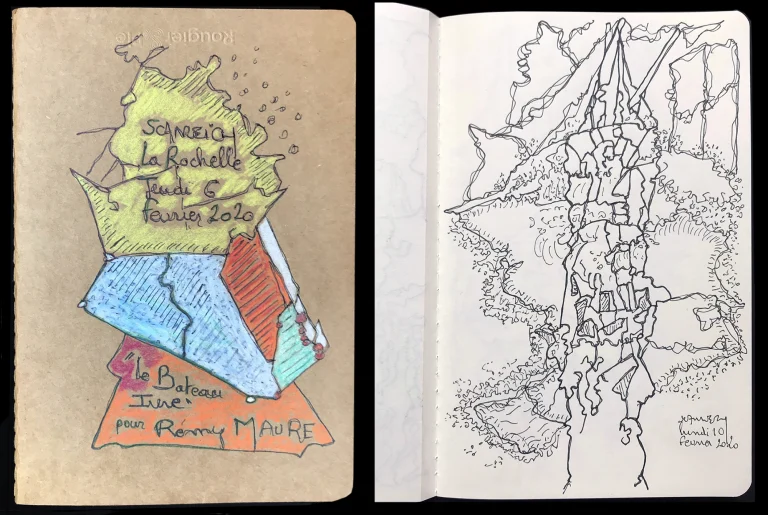
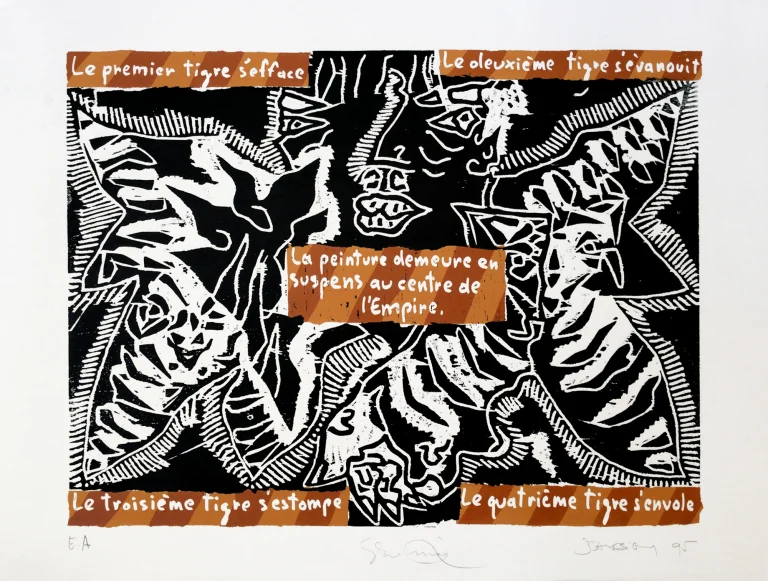
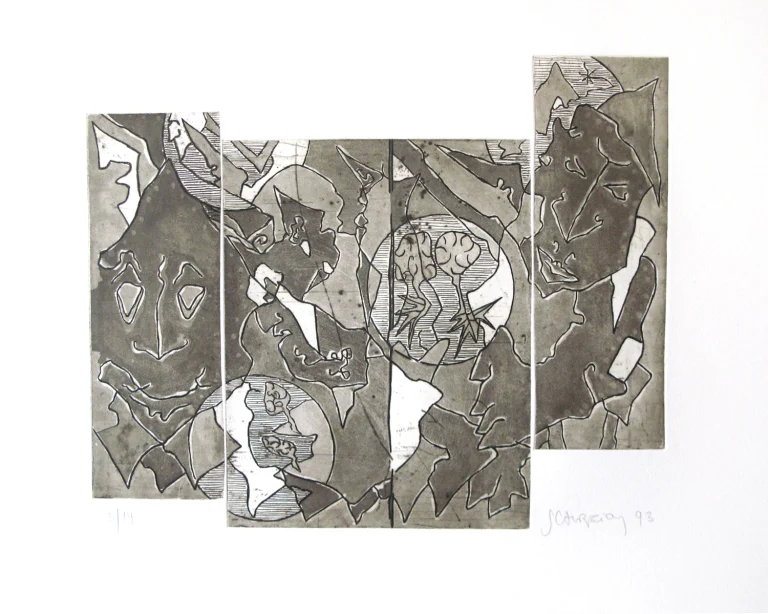
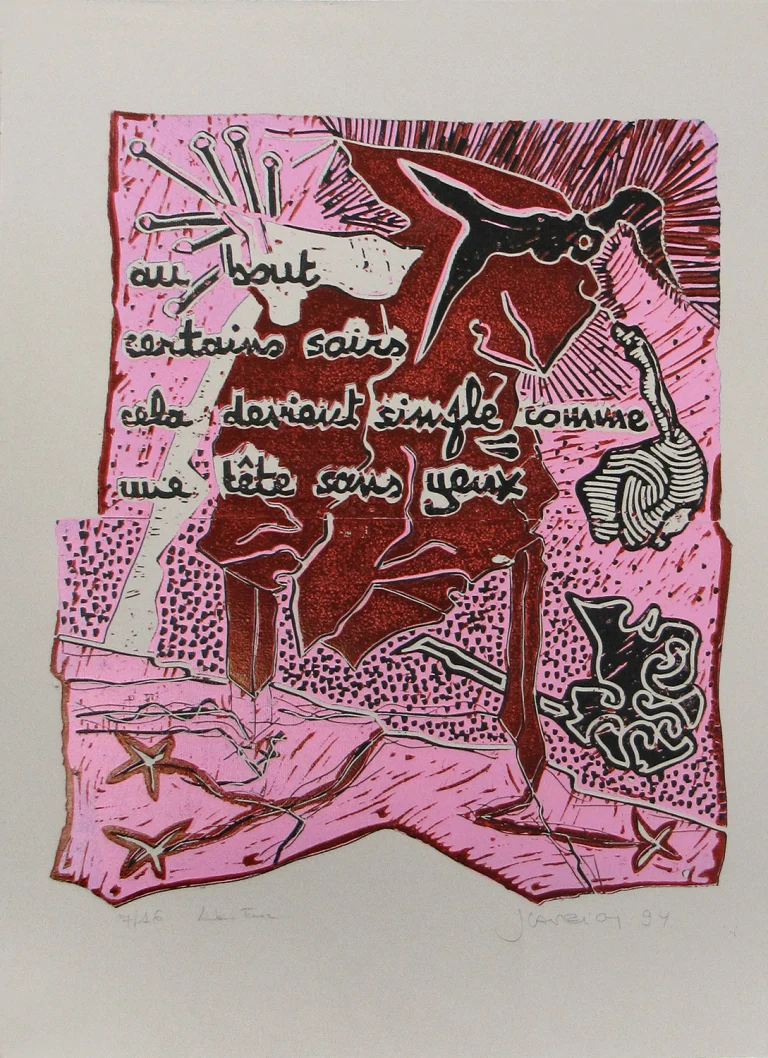
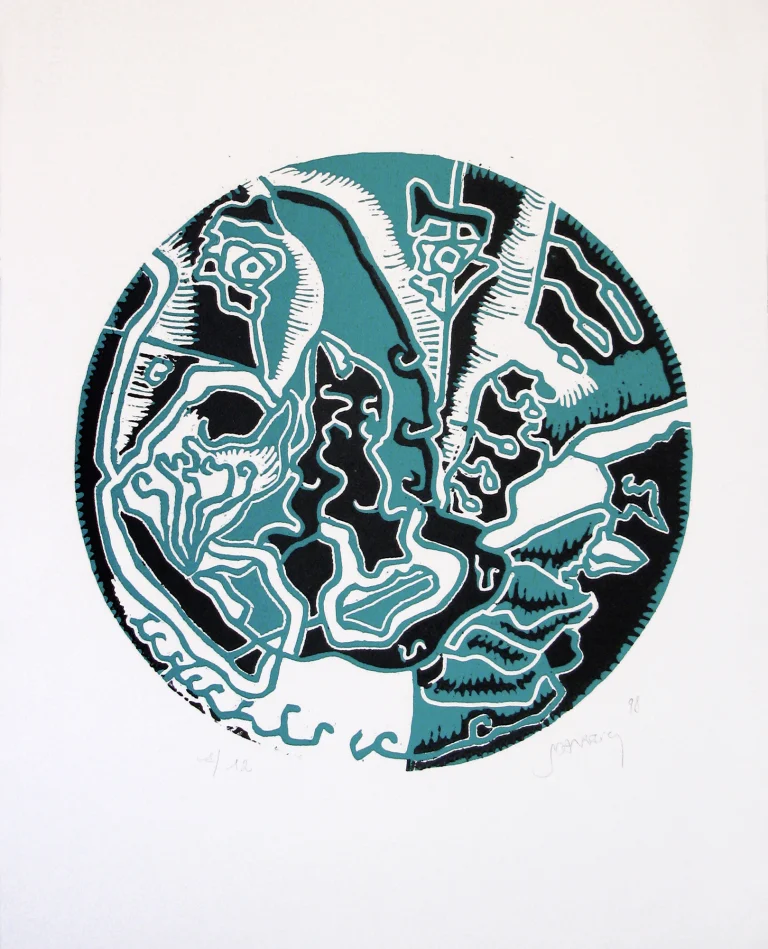
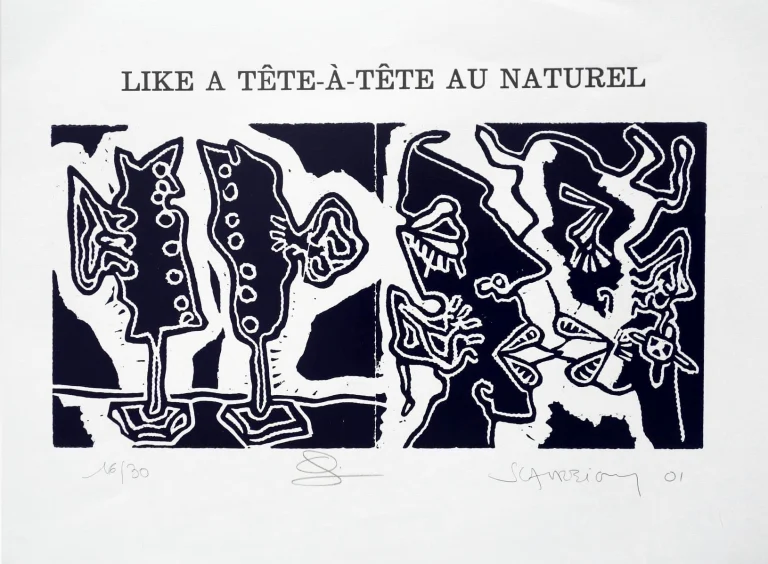
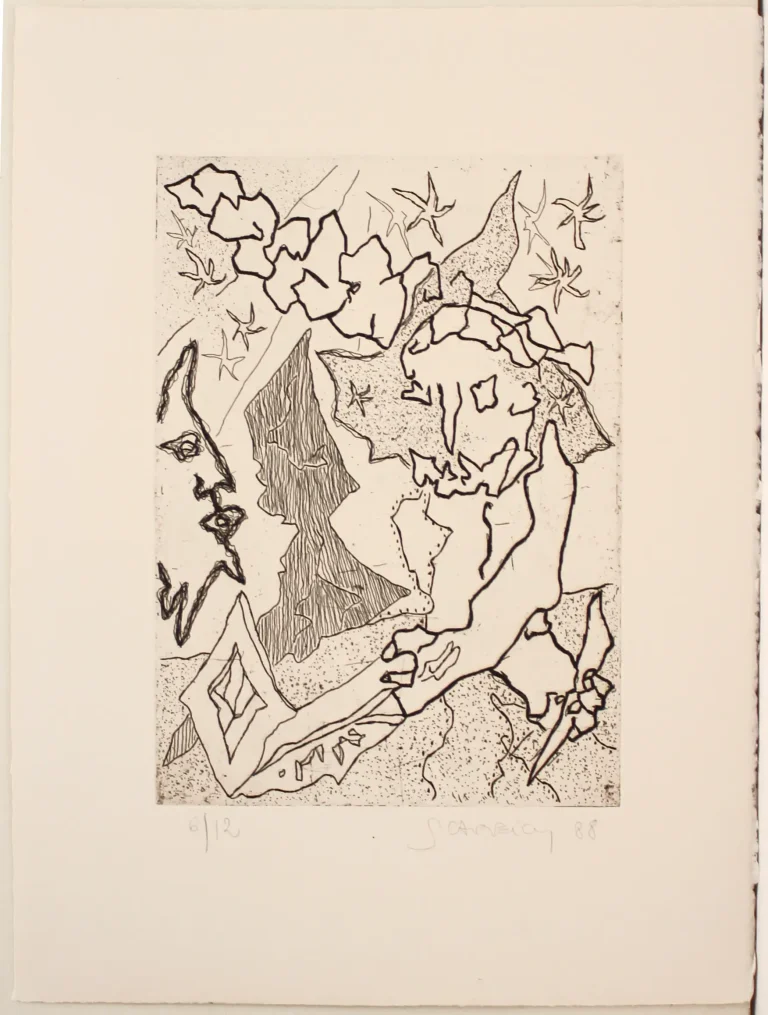
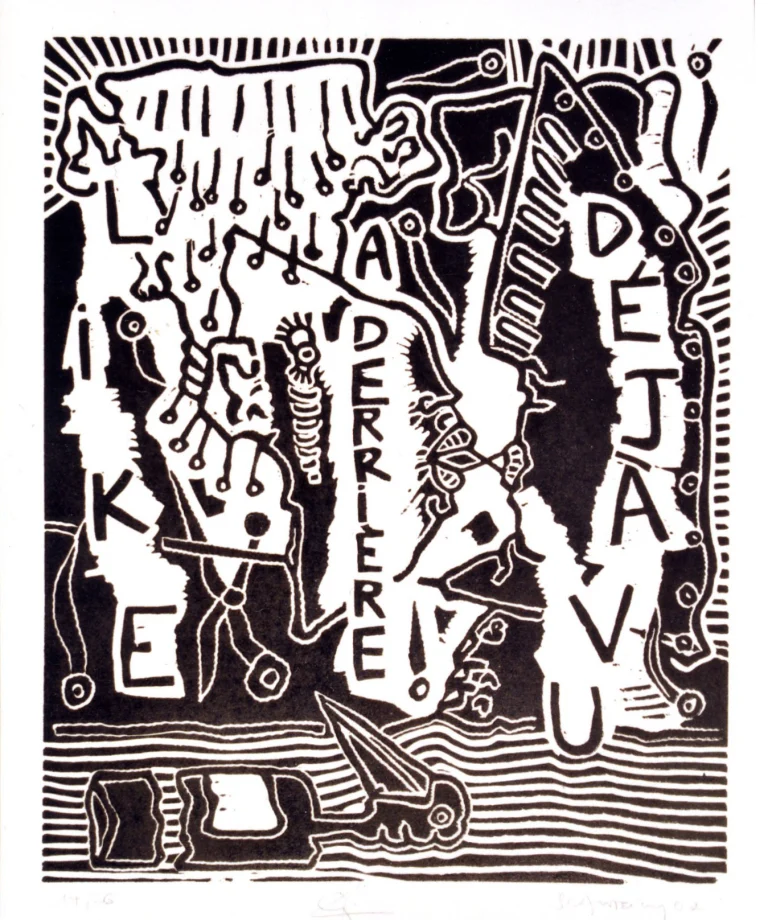
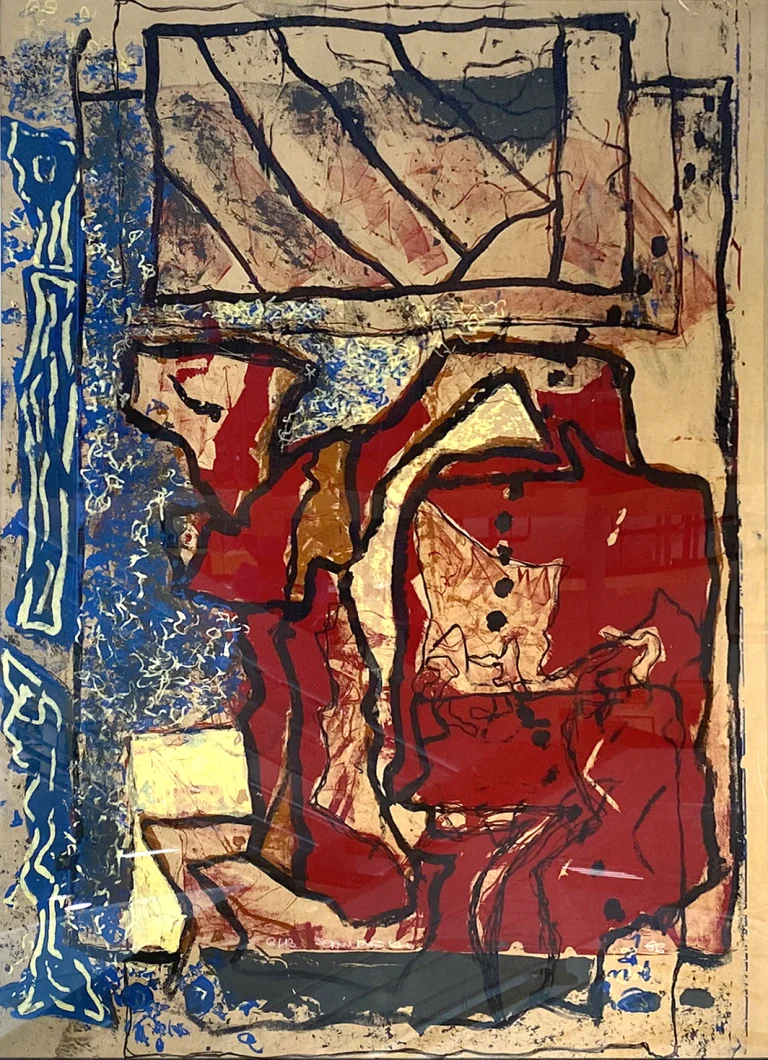
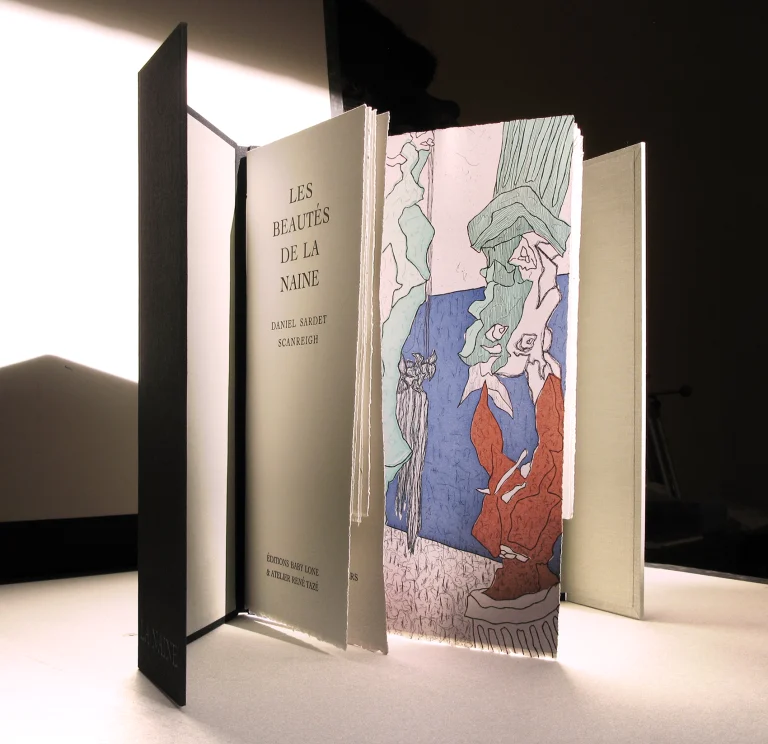
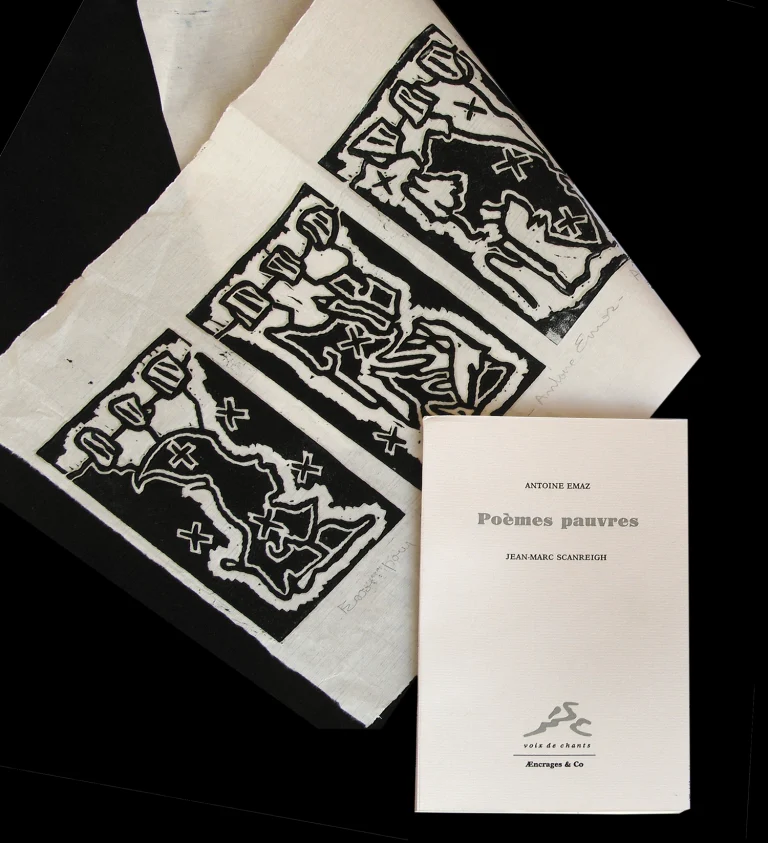
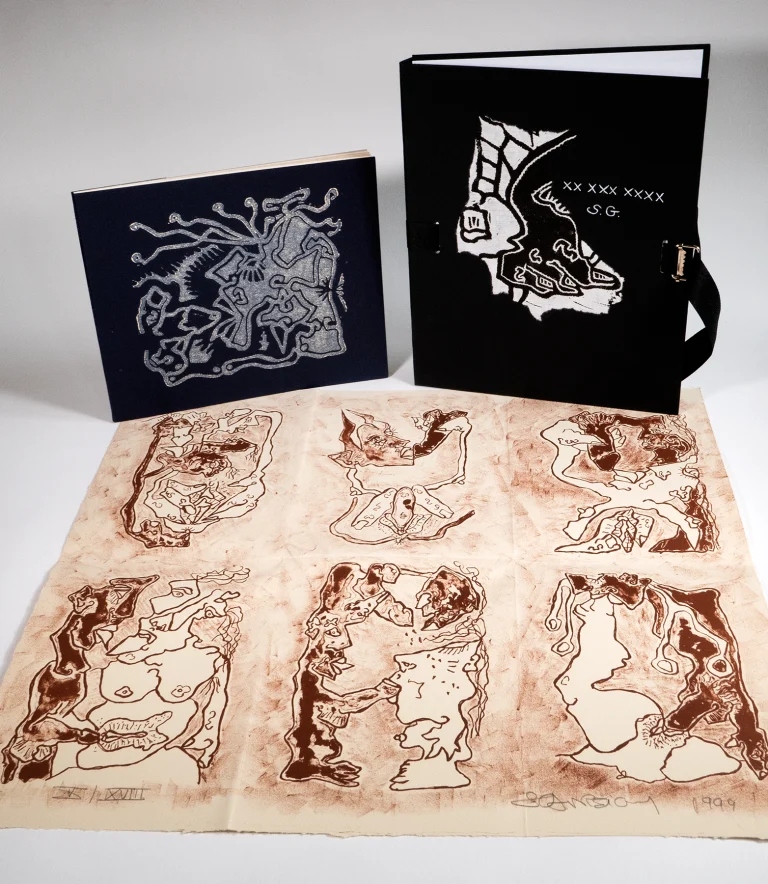
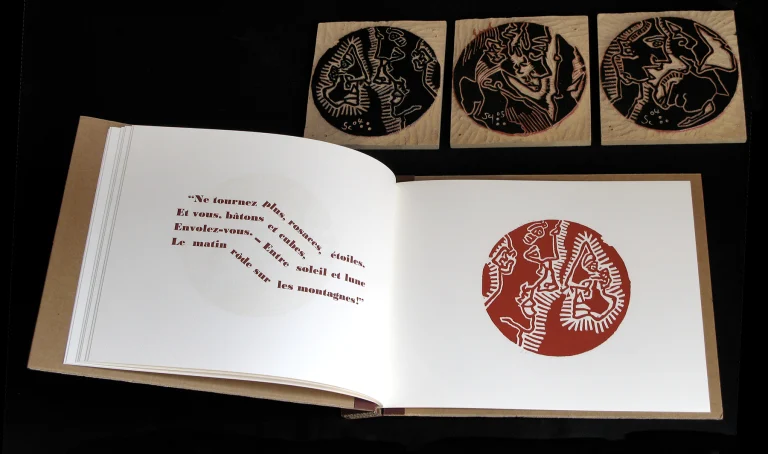
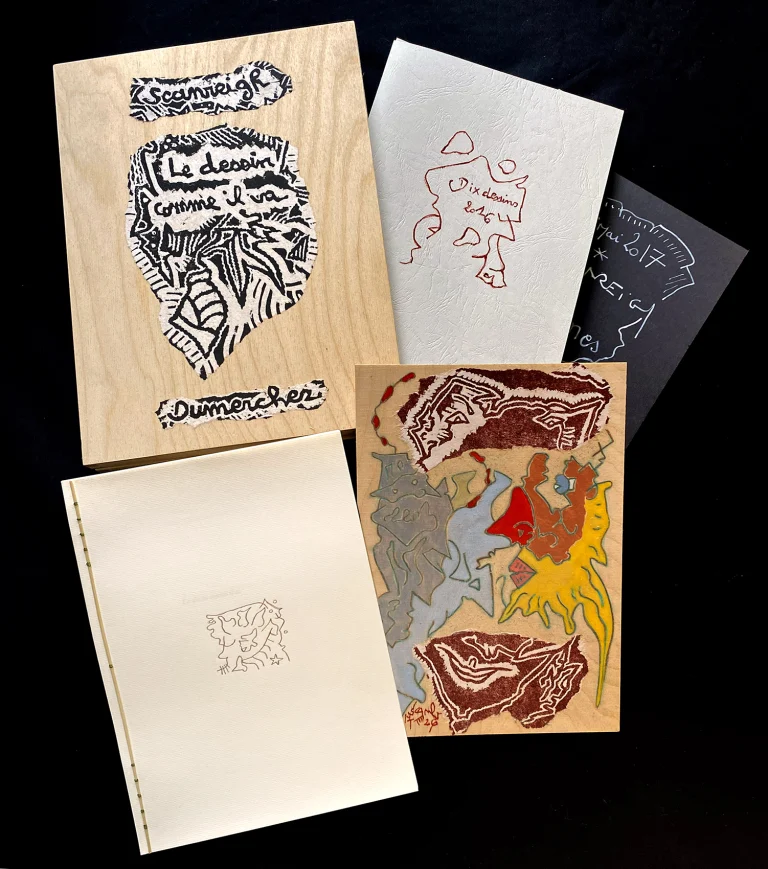
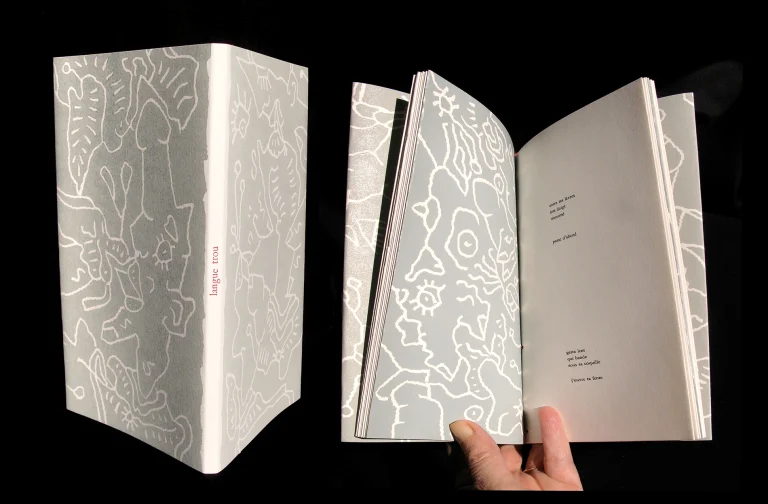
It would not be going too far to say that Scanreigh’s style (to put it simply) is easily recognisable. On the face of it, nothing now connects it to his early style, which, incidentally, was also very recognisable. How does one move from an abstraction inspired by American Minimalism and the French avant-garde of the 1970s to the figurative motifs of today?
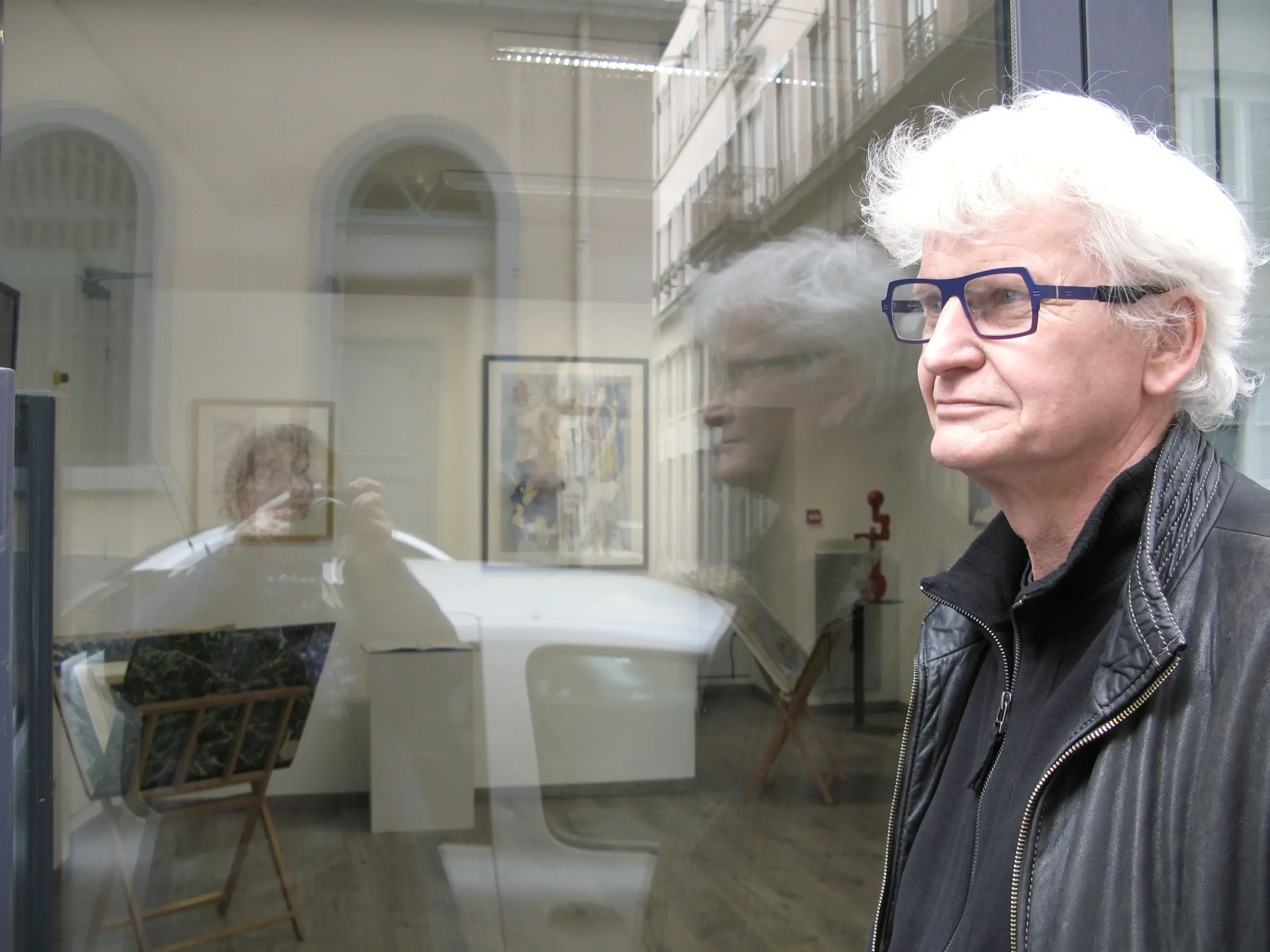
Well, there are ways of shedding light on it; they do not fit into a few lines of introduction, as you might imagine.
The various sections of the site make it possible to come back to it at greater length … through the words of the artist himself or in the remarks of the writers and critics who have described this evolution.
It can already be said that technique is the common thread of this evolution, whether the technique the artist invented for himself at the outset or the more conventional ones he appropriated later, in his own way.
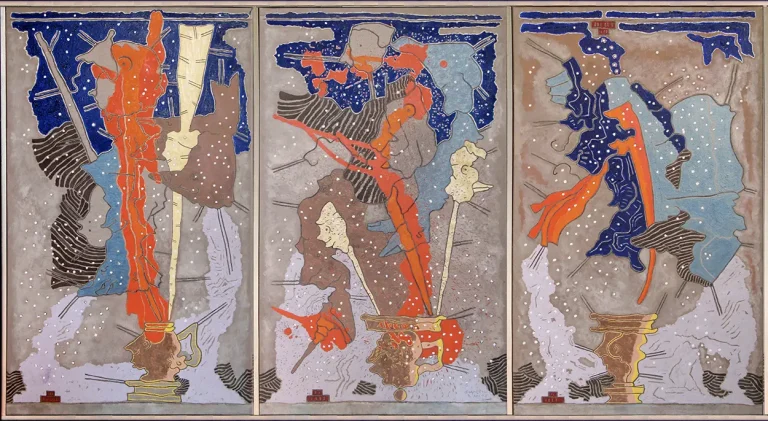
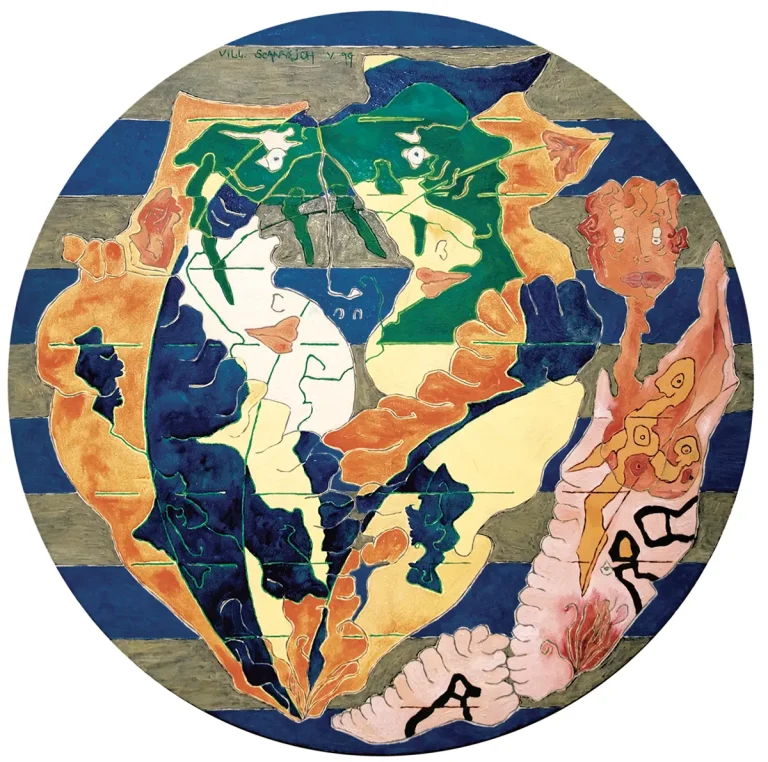
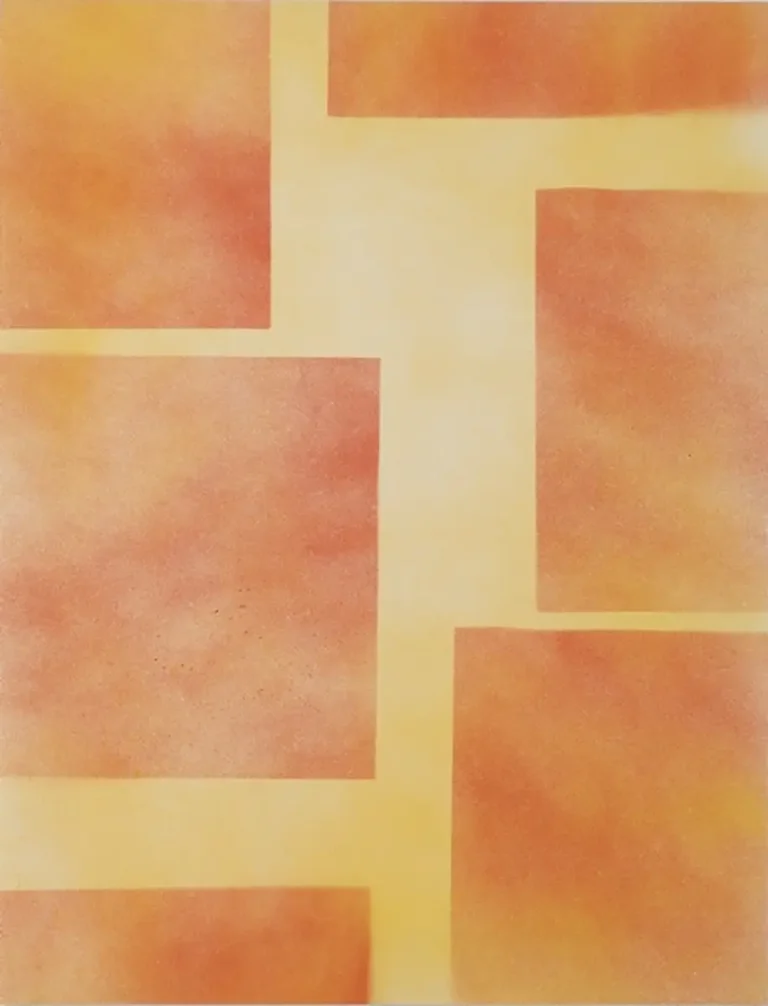
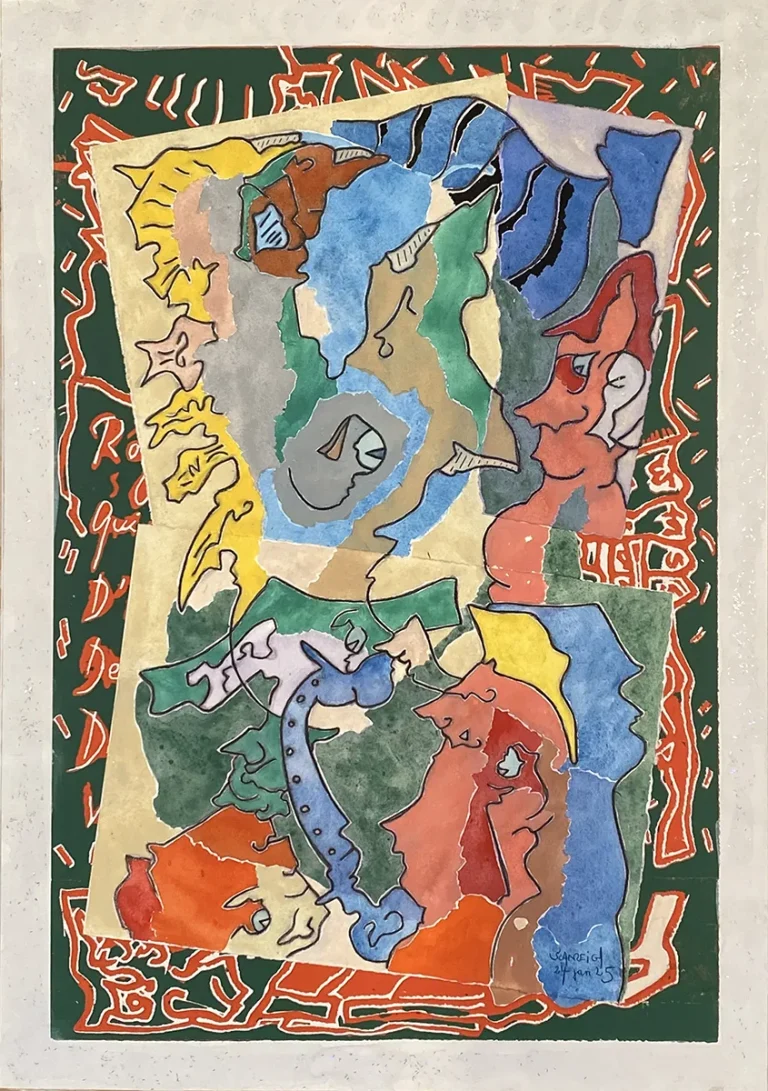
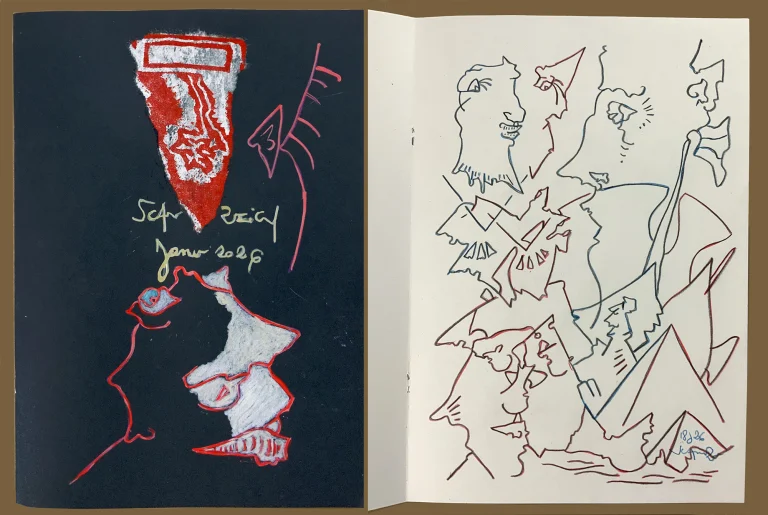
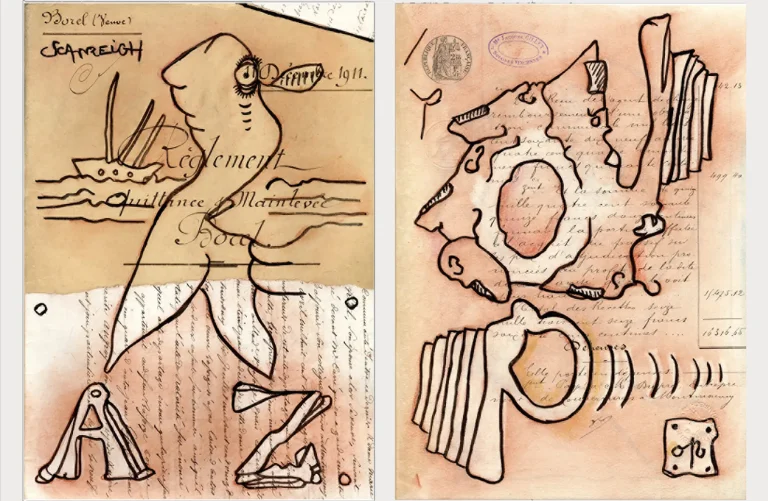
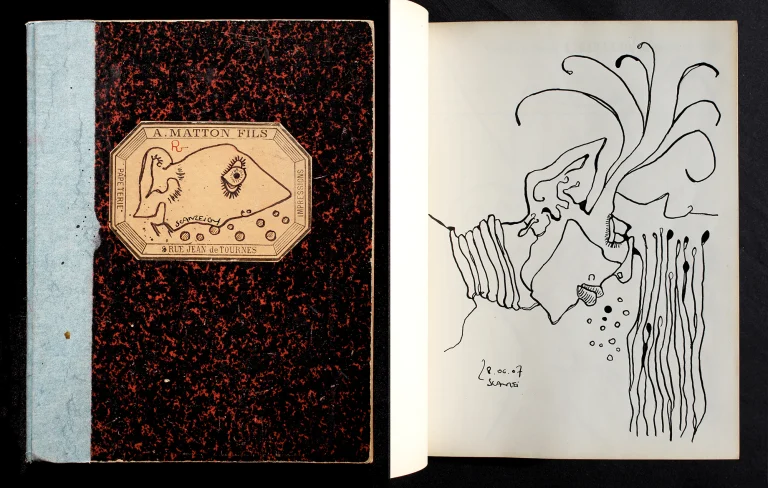
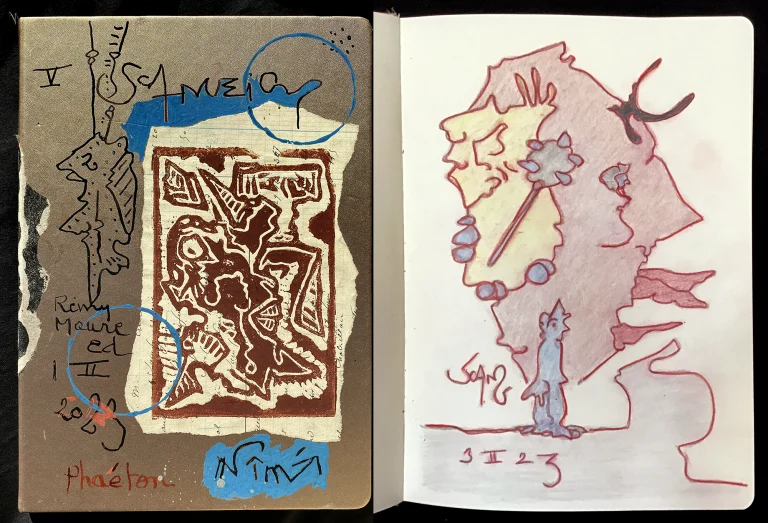




 Galerie Sezim
 Bibliothèque de l’Arsenal, BNF
 National Gallery of Australia
 Bibliothèque Carré d’Art–Jean Bousquet
 Artothèque de La Rochelle
 Bibliothèque de Lyon Part-Dieu
 Fondation BNP Paribas
 Bibliothèque nationale et universitaire de Strasbourg
 Bibliothèque Nationale de France
 Université Lyon 3
 Ambassade de France à Tunis
 Galerie La Villa Balthazar
 Archives Fata Morgana
 Librairie-galerie Actualités
 Hôpital de Gleizé
 Artothèque de Villefranche-sur-Saône
 Deutsches Spielkarten-Museum
 Musée de l’Estampe Originale
 Artothèque de Nîmes
 SCIC
 Artothèque d’Istres
 FRAC Alsace
 Galerie Laurent & Laurent
 Ambassade de France à Caracas
 Bibliothèque municipale de Mulhouse
 Musée des Arts décoratifs de Lyon
 Artothèque de Nice
 Artothèque de Grenoble
 Hôtel Méridien
 Conseil général du Rhône
 Ville de Lyon
 Item éditions
 Centre hospitalier Léon Bérard
 Artothèque d’Amiens
 Ville de Villeurbanne
 Galerie Michelle Champetier
 Musée d’Art Moderne et Contemporain de Saint-Étienne
 Musée de Belfort
 Musée de la Carte à jouer
 Hôpital Nord-Ouest